
How We Built a Profitable International Business With $150 and a Chance Meeting
What if I told you that a spontaneous conversation on a horseback riding tour in Central America eventually put us in a brand-new Subaru Impreza — paid for in cash?
That's exactly what happened. And while the setting was exotic, the business lessons we learned apply to anyone looking to start something from scratch, work with clients remotely, or turn a simple skill set into real income.
Here's the full story.
How It Started: A Vacation That Became a Business
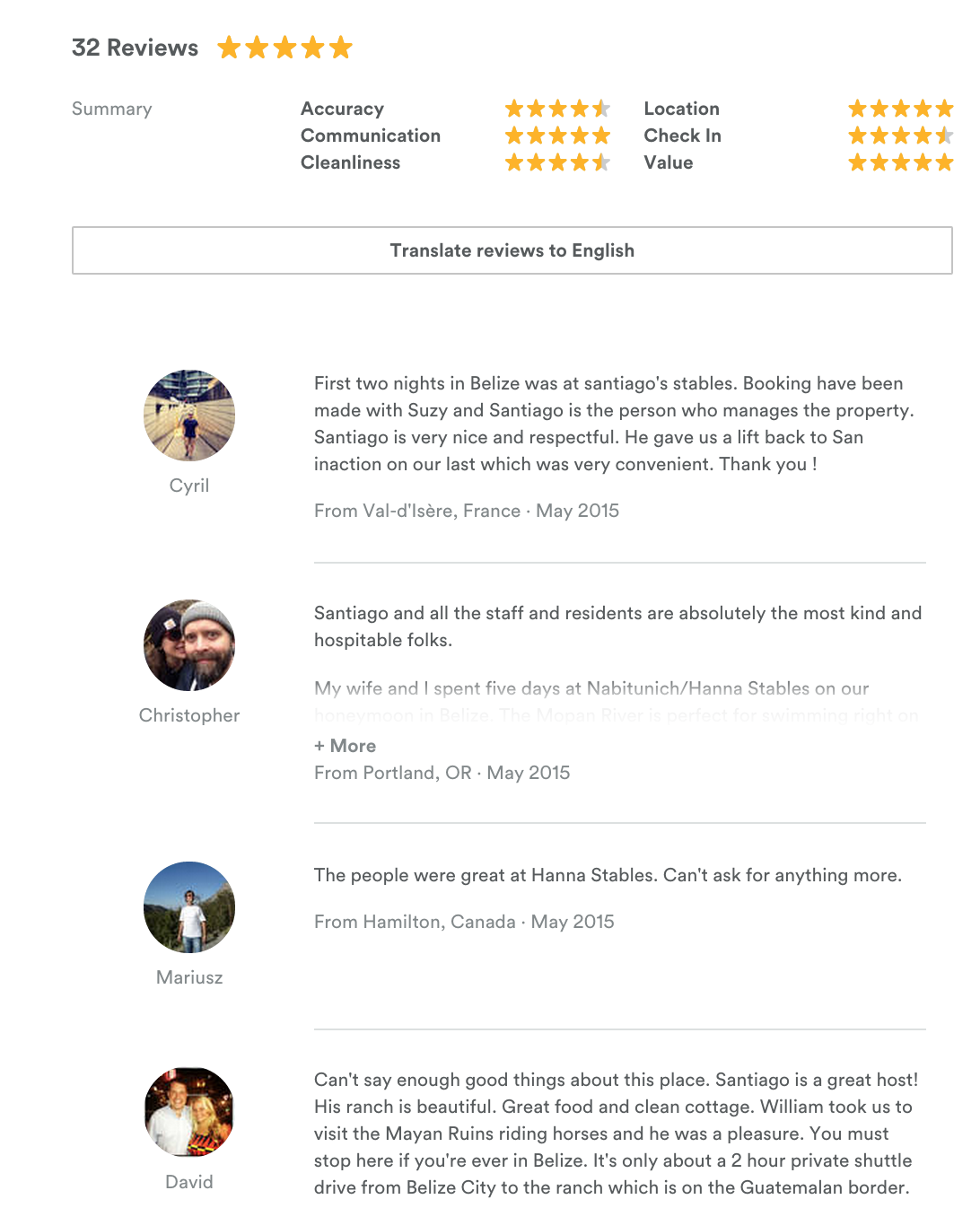
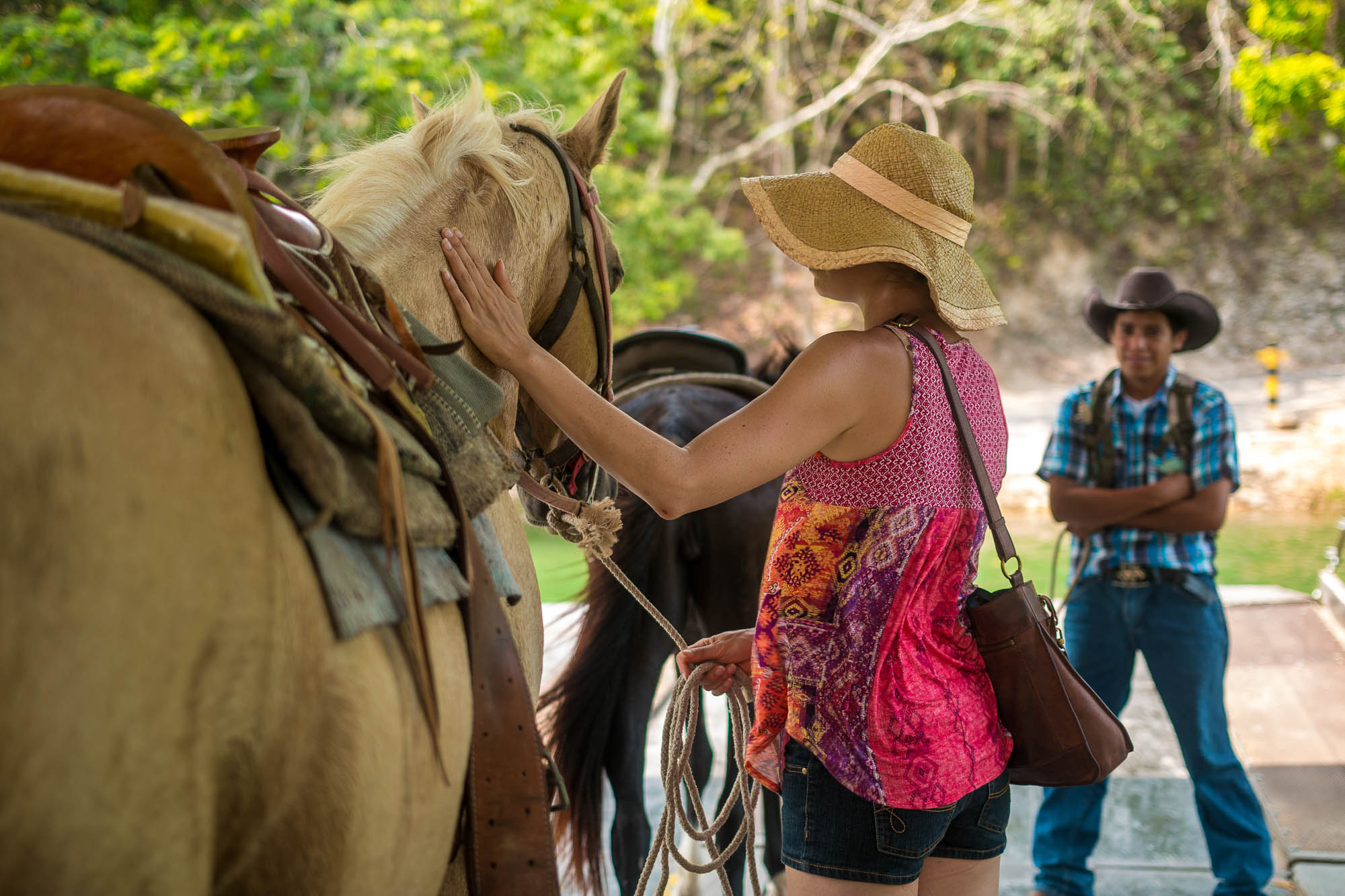
In May 2012, my partner Martin took a trip to Belize on a whim — originally booked through a Groupon deal. While exploring the mountain town of San Ignacio, he went on a horseback riding tour run by a man named Santiago Juan. Santiago had spent years traveling the world before returning home to revive his family's lodge and horseback riding business, Nabitunich Stone Cottages and Hanna Stables, situated on 400 acres of organic farming land near the ancient Xunantunich Mayan ruins.
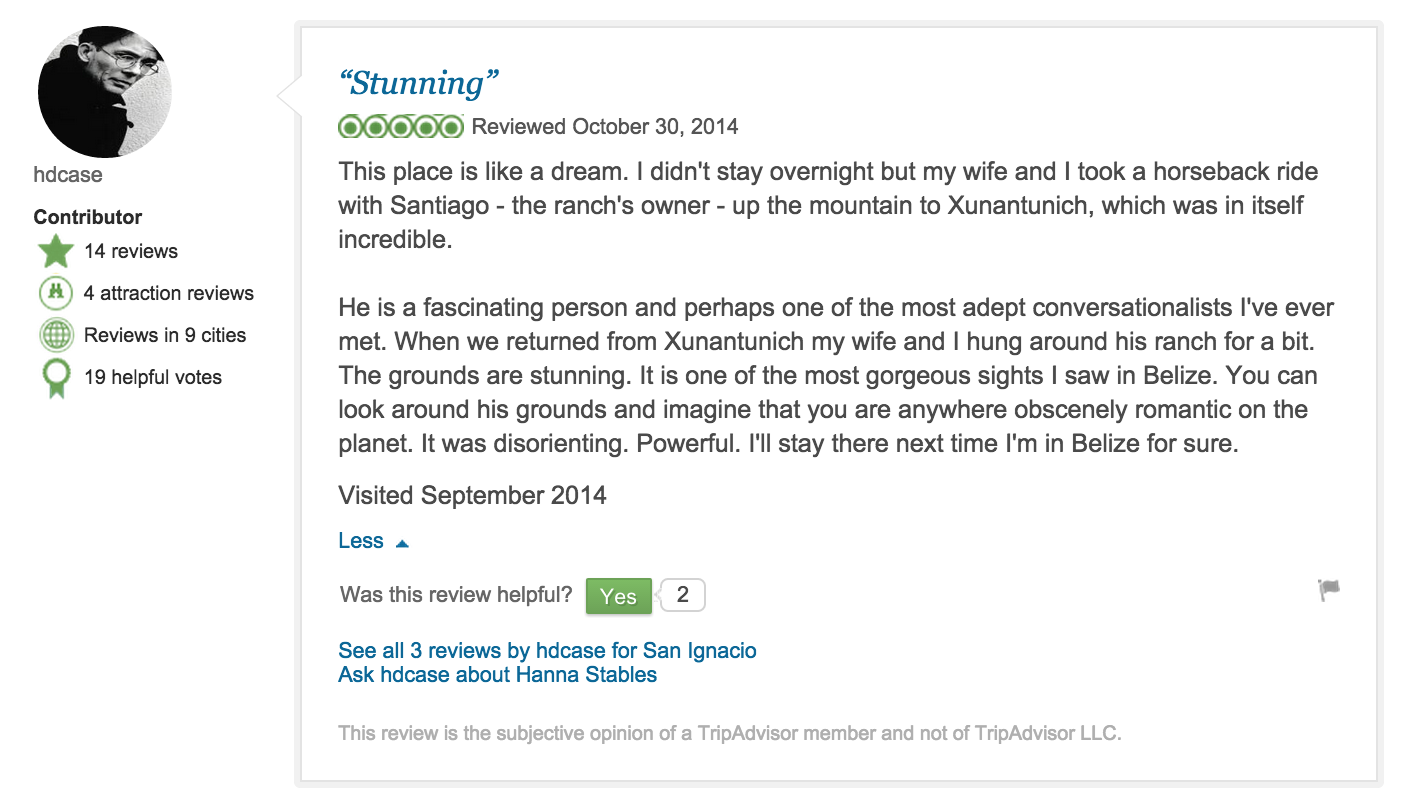
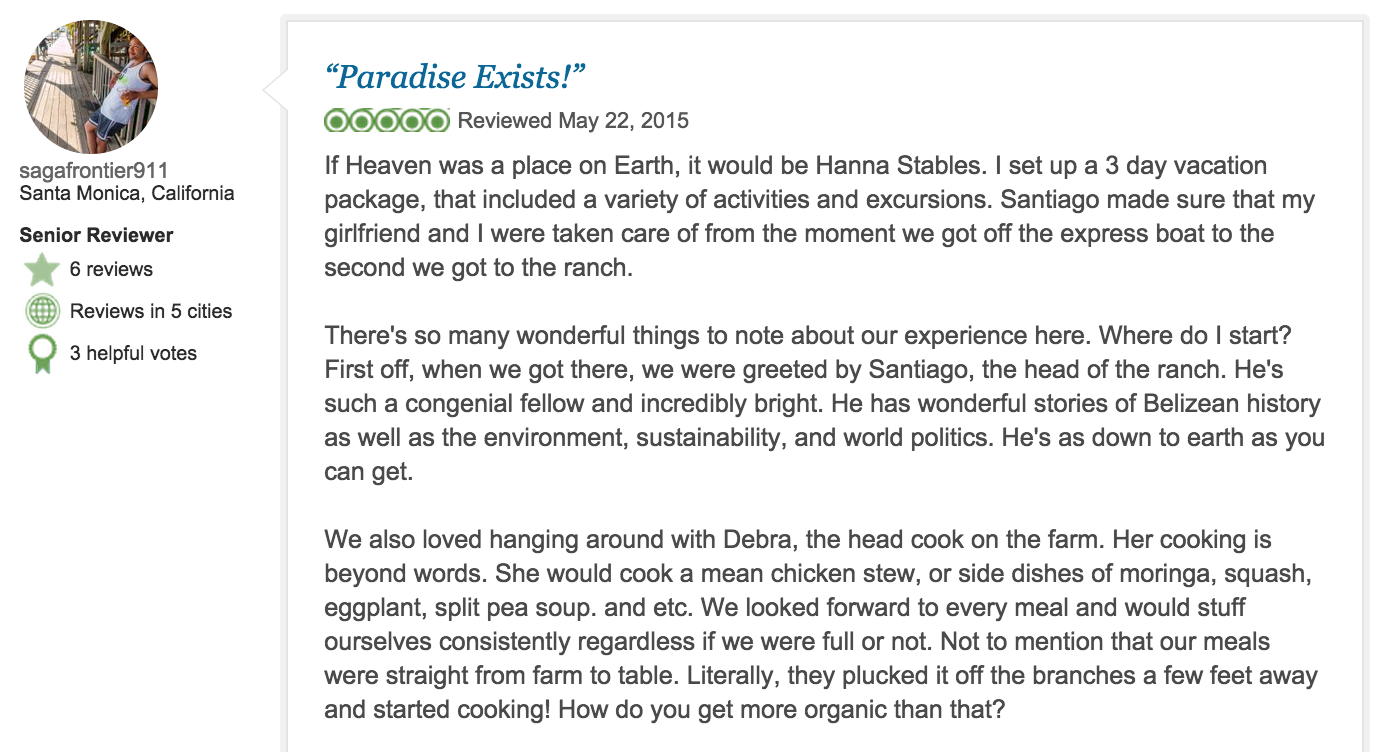
The business had promise — Santiago was charismatic, the land was stunning, and his TripAdvisor reviews were glowing. But like most small tourism businesses in Belize, he had no online booking system, outdated web presence, and was losing bookings to friction in the reservation process.
That's where we came in.

Our business partner, Santiago Juan, leading his famous horseback riding tour in Belize.
What We Offered — and Why It Worked
Our skills were in web design, development, and online marketing. Not glamorous, but exactly what Santiago needed. Within months, we had launched a new website, integrated an online booking and payment system using WordPress, WooCommerce, and PayPal — for just $150 per year in hosting — and listed Nabitunich on Airbnb and Hostel World.
For context: at the time, almost no small tourism business in Belize had real-time booking availability. The typical process involved a multi-step email exchange that could take days. We compressed that into minutes.
The result? Santiago's business started selling out — regularly.

The Lessons That Made This Work (And Can Work for You)
1. Choose your partners wisely.
The best technology in the world can't save a bad product. Santiago's business worked because he was exceptional — warm, professional, and deeply committed to his guests. Before we invested a minute of work, that foundation was already there. When you're evaluating any partnership or client relationship, start with character and quality of service. Everything else is fixable.
2. Different markets play by different rules.
Coming from Seattle, we were used to instant online gratification — book something, get a confirmation, done. That expectation simply didn't exist in Belize. Rather than frustration, we treated this gap as the opportunity. Understanding local norms (slower pace, cash-based economy, limited banking infrastructure) helped us design solutions that actually fit the context rather than imposing an American model that wouldn't work.
3. Don't reinvent the wheel.
We could have spent months building a custom booking platform from scratch. Instead, we used existing tools that already solved the problem — and had everything live within weeks, right at the start of Belize's peak tourism season. Speed to market mattered more than perfection. This is true for nearly every early-stage business.
4. Some problems are out of your hands — find workarounds.
After processing payments online, we hit a wall: there was no easy way to wire money to Santiago's Belizean bank account. Western Union eventually flagged our transfers. Instead of giving up, we redesigned the model: guests paid an online deposit to secure their reservation (which served as our commission), and settled the remainder in cash in Belize. Simple fix. Huge impact.

5. Know your value — but stay flexible.
We couldn't charge U.S. consulting rates to a small business in Central America where cost of living is a fraction of what it is here. Rather than walking away or working for free, we designed a compensation structure that worked for both sides. Knowing your worth doesn't mean being rigid about how you receive it.
6. Small teams can make a big difference.
Two people. $150 in annual overhead. And we repeatedly sold out a resort in another country. You don't need a big team, a big budget, or big credentials to solve real business problems. You need the right skills, a good client, and the willingness to figure things out as you go.
The Milestone: A Brand-New Car, Bought in Cash
By May 2015 — about two and a half years after we launched the booking system — Gemini Connect had generated enough profit from this and related work to purchase a brand-new Subaru Impreza outright, with no financing. For a small, two-person operation, it was a genuine milestone and proof that the model worked.
Was it passive income? Not entirely. But it was recurring, scalable, and built on a foundation of solving a real problem for a real person — not a get-rich-quick scheme.
What We'd Do Differently
To grow beyond a handful of clients, you need infrastructure that can scale — which eventually meant moving away from patchwork third-party tools toward proprietary software. We learned this the hard way. The early workarounds that got us to profitability became bottlenecks when we tried to replicate the model. Build for where you want to be, not just where you are now.
The Takeaway
You don't need a fancy office, venture capital, or years of experience to build something real. You need a genuine problem, a willing partner, and the hustle to figure out the rest. Whether you're offering design services, marketing, coaching, or any other skill — there are businesses all over the world who need exactly what you know how to do.
Sometimes all it takes is a Groupon vacation and the right conversation.
Gemini Connect Business Timeline
May 2012: Martin's first trip to Belize when he met Santiago/Hanna Stables.
July 2012: Agreed upon a business deal with Hanna Stables.
August 2012: The brand new Hanna Stables website debuts online.
November 2012: Gemini Connect LLC is formed; we venture to Belize to capture multimedia footage for web.
December 2012: Online booking reservation system and payments were introduced, along with a revamped website full of shiny new photos and content.
February 2014: Online deposit payments are introduced, eliminating wire transfers.
March 2014: Scalable business model invented and software development on it begun
May 2015: Gemini Connect reinvests profits and buys a brand new company car in cash to foster a US West Coast expansion

Taking our new company vehicle for a spin!