The Ultimate Family Travel Guide to Kamakura, Japan: Temples, Beaches & the Great Buddha
If you're planning a trip to Japan and only have Kamakura on your list as a day trip — I'm here to change your mind. My family of four spent several days in this seaside city south of Tokyo, and it completely stole our hearts. Between the iconic Great Buddha, lush temple complexes, a genuine surf beach, and a park with a life-size Godzilla slide (yes, really), Kamakura is one of those places that rewards you for staying longer than everyone else does. Here's everything you need to plan your own trip!
Where is Kamakura?
Kamakura is a historic coastal city in Kanagawa Prefecture, about 50 km south of Tokyo along Sagami Bay. It served as the political center of Japan in the 12th and 13th centuries and is home to dozens of temples, shrines, and one of Japan's most famous landmarks — the Great Buddha. Unlike many Japanese tourist destinations, Kamakura has a laid-back beach town energy that makes it feel like a genuine escape rather than just another sightseeing stop.
Best Time to Visit Kamakura
There's no wrong time to visit, but here's what each season offers:
Spring (March–May): Cherry blossoms frame the temple paths beautifully. High season means more crowds, but the scenery is hard to beat.
Summer (June–August): The beach comes alive with surfers and swimmers. It's warm and lively — just prepare for humidity. This is when Kamakura really earns its beach town identity.
Autumn (October–November): Fall foliage around the temples is stunning. Cooler temperatures make it ideal for walking between sites.
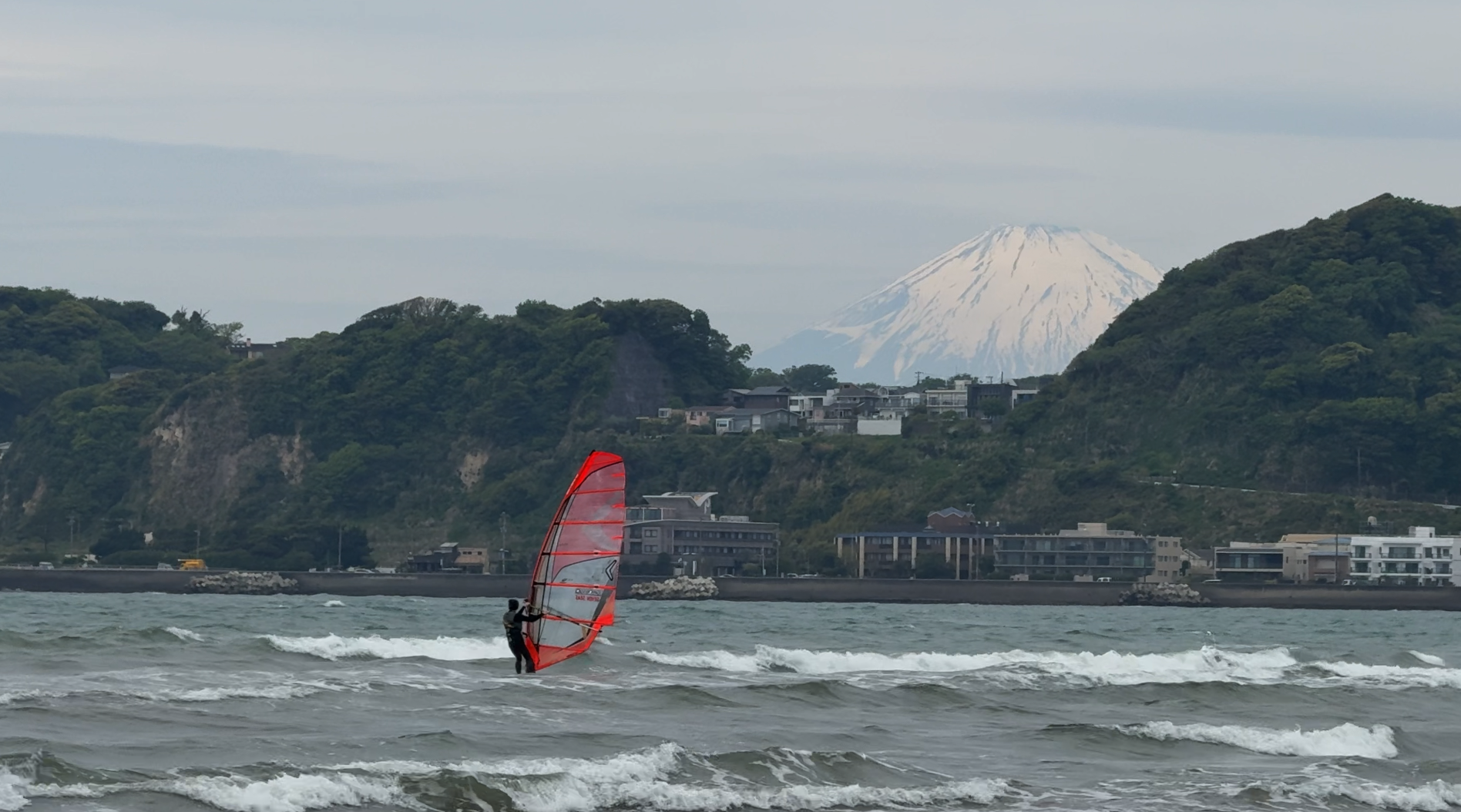
Winter (December–February): Quieter and crisp. On clear mornings, you have the best chance of spotting Mount Fuji on the horizon from the shoreline — one of the most unexpected and magical views in the region.
Tip: Clear mornings are your best window for a Fuji sighting from the beach. Get out early before haze builds up.
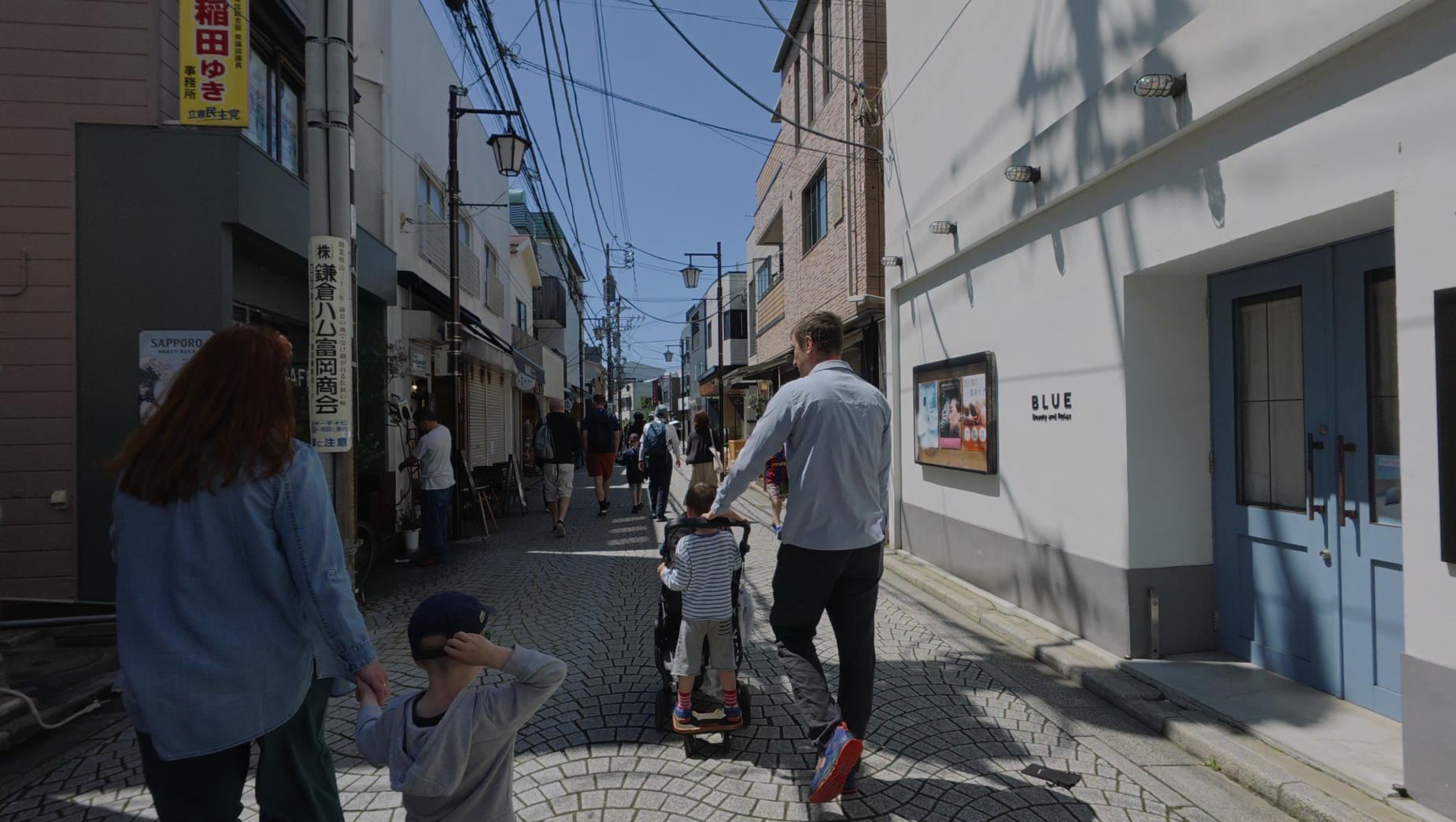
Komachi-dori Street is Kamakura’s main commercial shopping street, beginning just east of the Kamakura Station.
How to Get to Kamakura from Tokyo
Getting here is easy, which is part of what makes it such a great base.
By Train
JR Yokosuka Line: Direct from Tokyo Station to Kamakura Station in about 55–60 minutes. The most straightforward option.
Shonan-Shinjuku Line: Direct from Shinjuku in about 60 minutes. Great if you're coming from the west side of Tokyo.
By Bus
Highway buses are available but trains are generally faster and more convenient for this route.
Local Transport
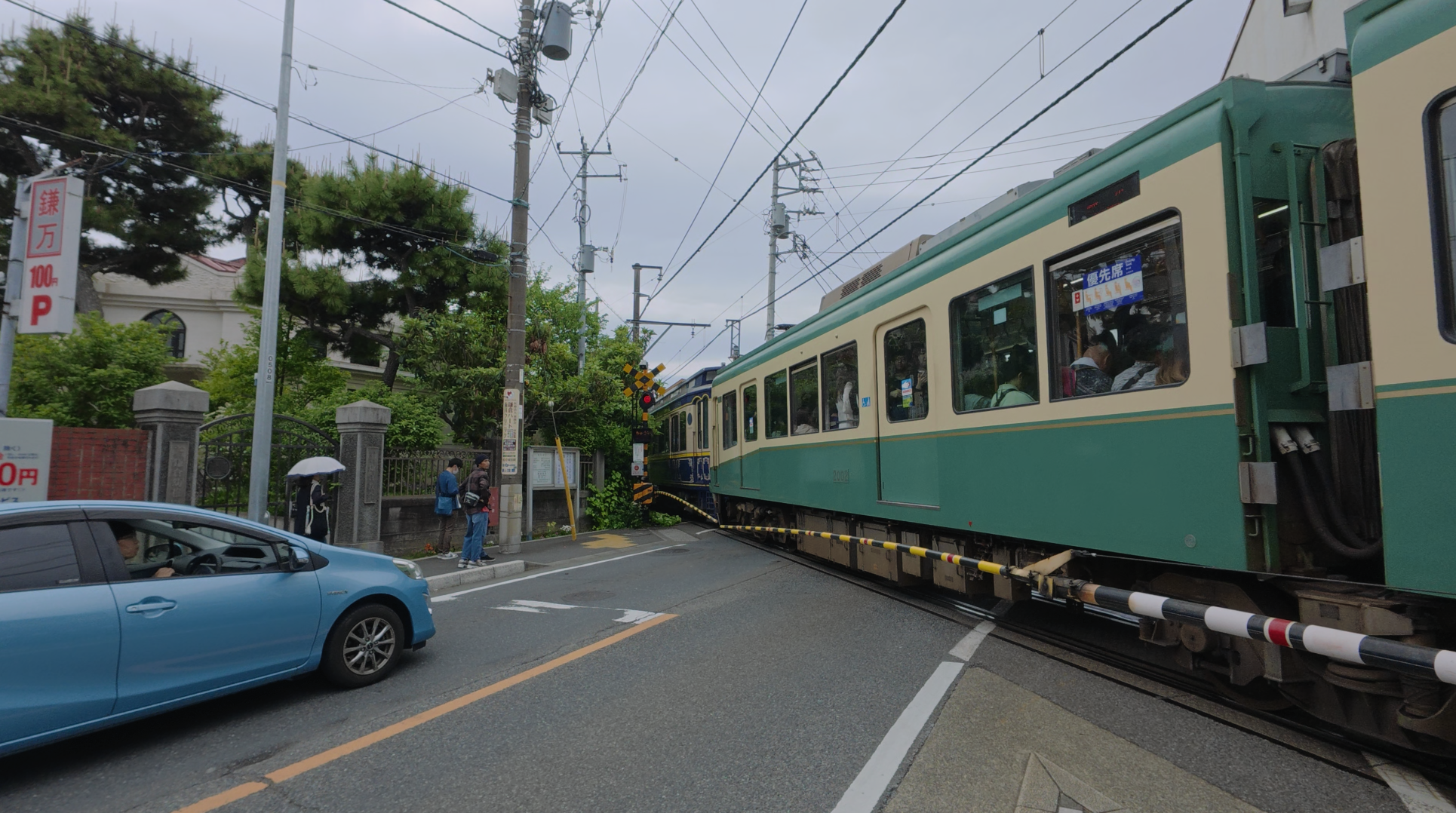
Enoden Line: A charming single-track railway that connects Kamakura Station to Hase (for the Great Buddha and Hase-dera) and continues along the coast. Scenic, slow, and beloved. Can get crowded midday — aim for early or late departures with a stroller.
Suica/Pasmo IC cards work on all local transit. You can now top these up directly on your phone — no ticket machine required.
Bicycles: Kamakura's flatter coastal areas are very bikeable. Rental shops are easy to find near the station.
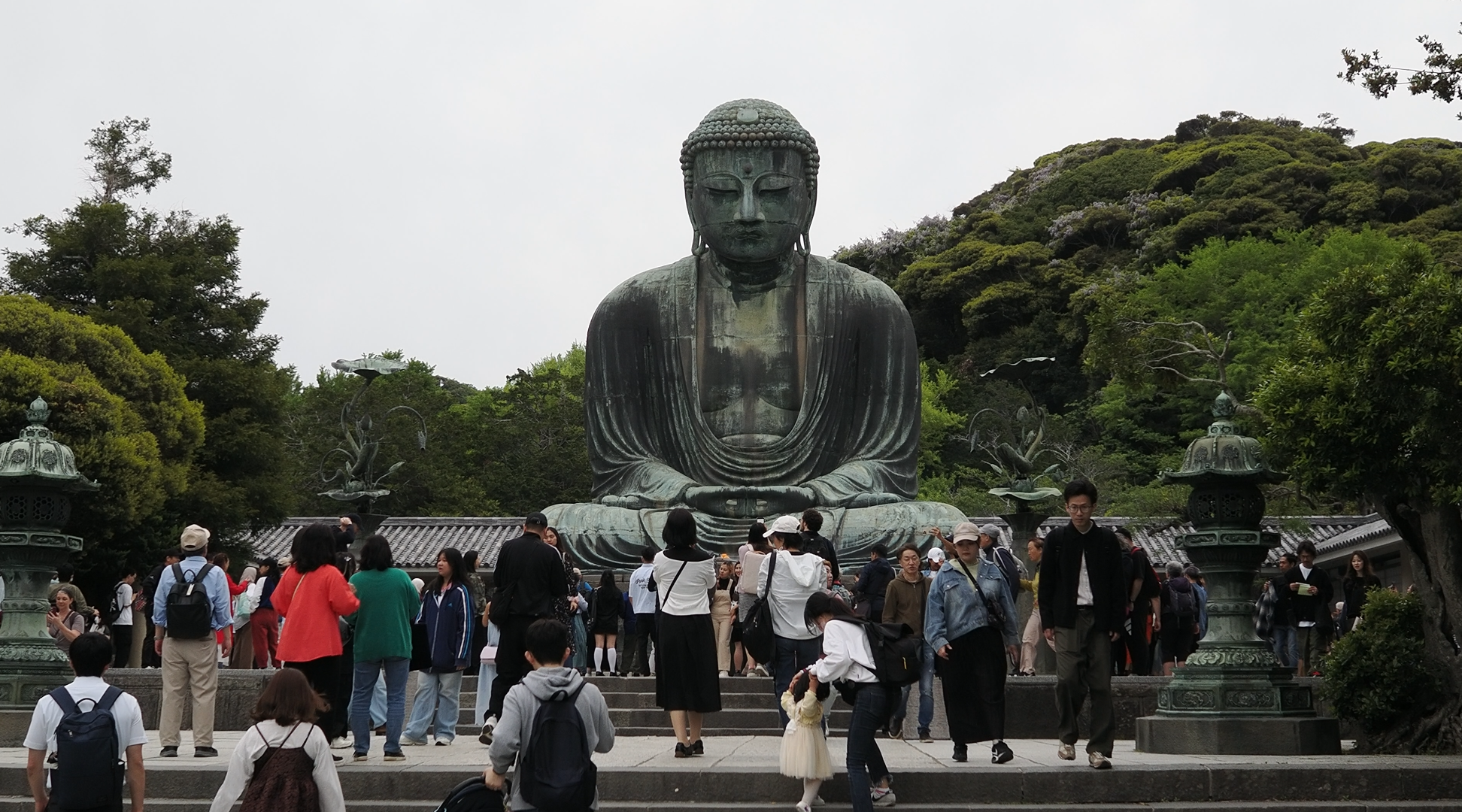
Crowds flocking to see the Great Buddha at Kotoku-in.
Top Things to Do in Kamakura
1. The Great Buddha at Kotoku-in
The 13-meter bronze statue is the second tallest in Japan and genuinely impressive in person — photos don't capture the scale until you're standing in front of it. The grounds are manageable with a stroller and easy to navigate. Arrive early to beat the tour groups.
2. Hase-dera Temple
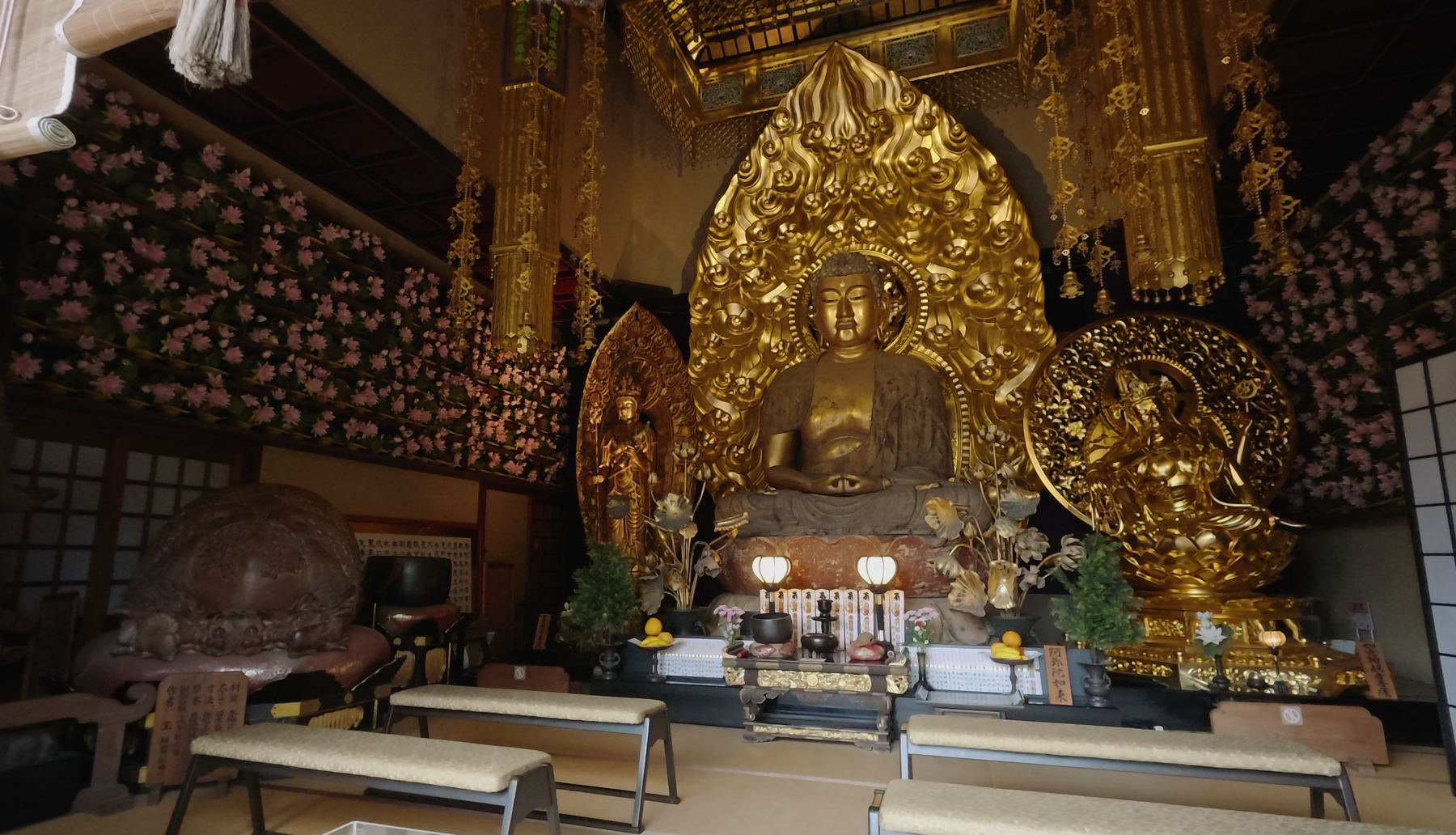
Not far from the Great Buddha is the Hase-dera temple. It’s a lush, layered complex with something for every member of the family:
One of Japan's largest wooden Buddhist statues
Sweeping views over Sagami Bay from the upper grounds
A cave tunnel winding through the rock below — kids absolutely love it
Budget more time here than you think you'll need. It's the kind of place you wander slowly.
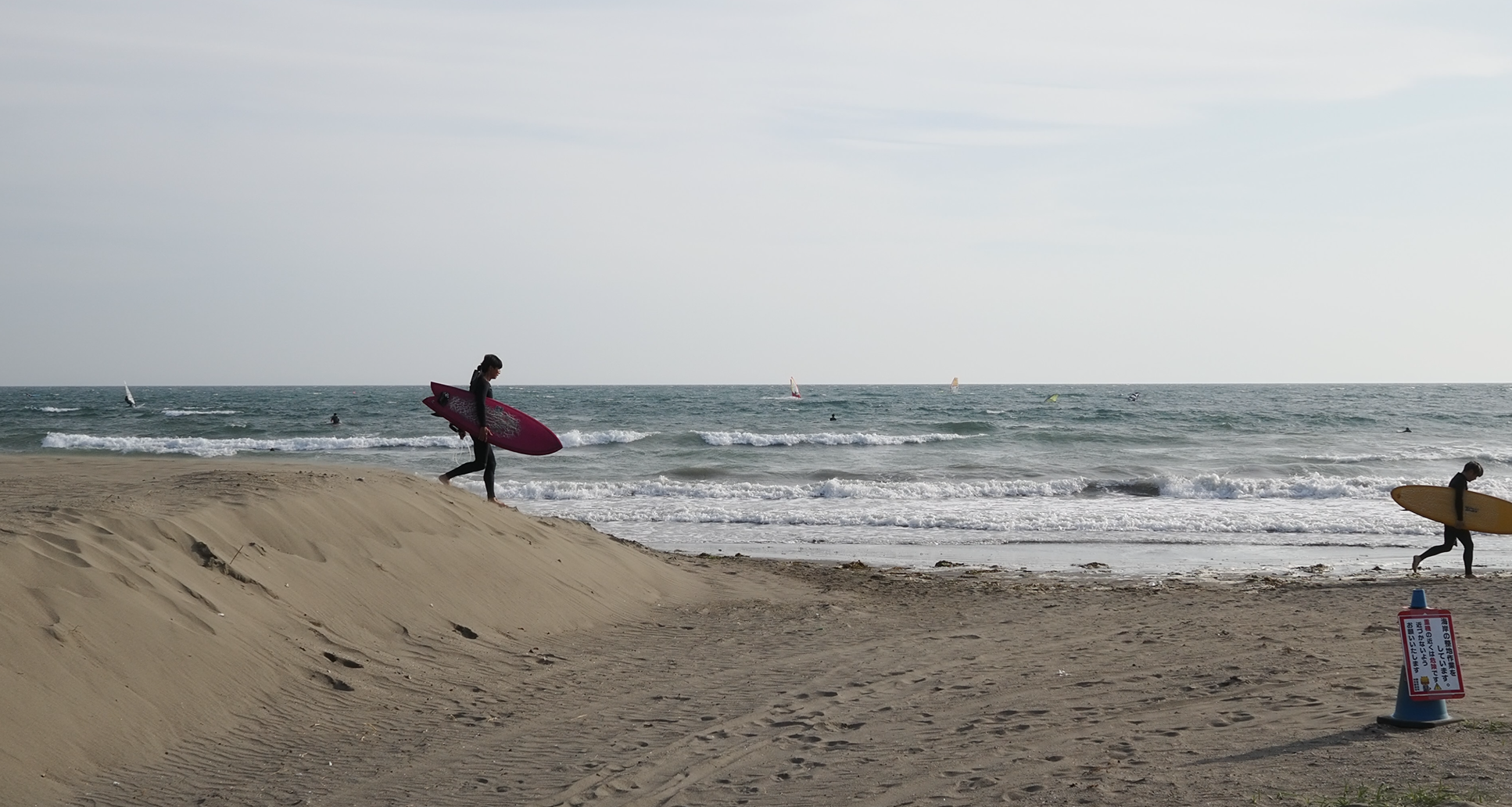
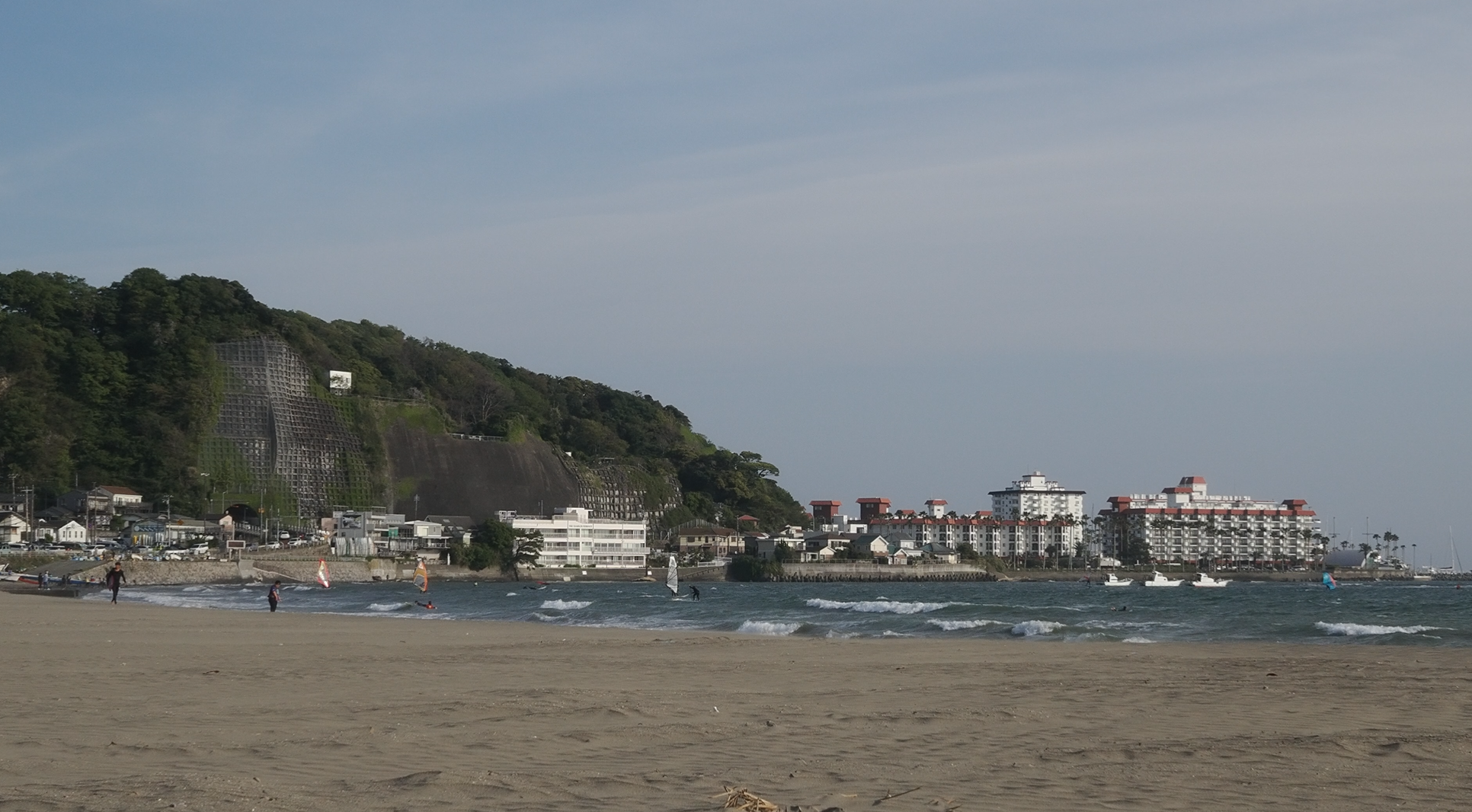
Surfers walking Yuigahama Beach in Kamakura.
3. Explore the Beaches of Kamakura
Kamakura has a real surf culture, and even if you're not riding waves, the beach is worth a long walk. There are three main beaches in Kamakura. The most popular and easiest to access from Kamakura Station is Yuigahama Beach. This is the one that my family spent the most time at as it was closest to our accommodations. It’s renowned for its golden sand, gentle waves, and many cafes and restaurants within walking distance. During our visit in April, the water was too chilly for swimming, and it was quite windy, so there were many kite surfers playing in the surf. There was also a stunning view of Mount Fuji. Zushi Beach is another popular place for swimming and sand play. It’s a bit further away just off of the Zushi train station, but it can be a good alternative if you want to explore more beaches in the area.
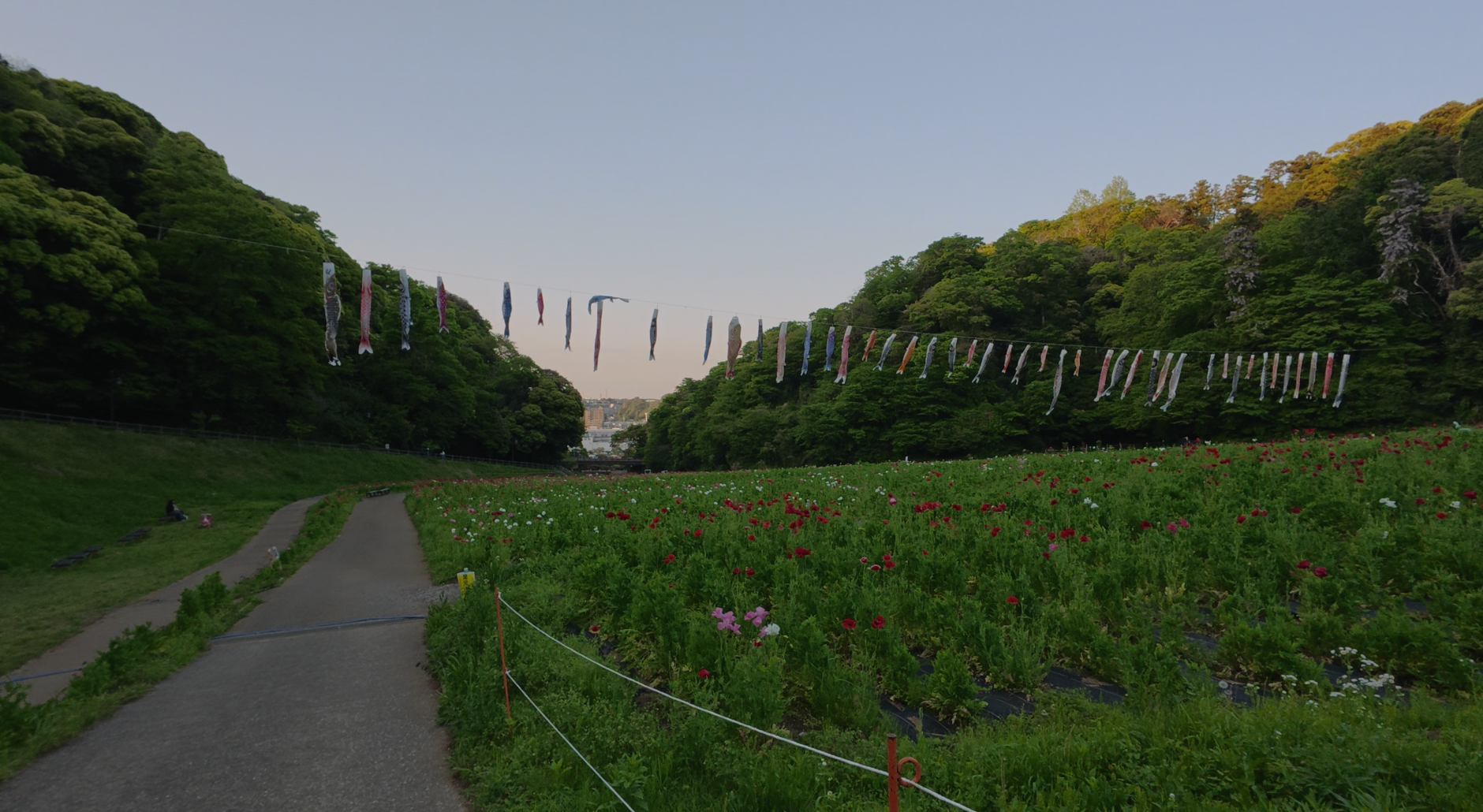
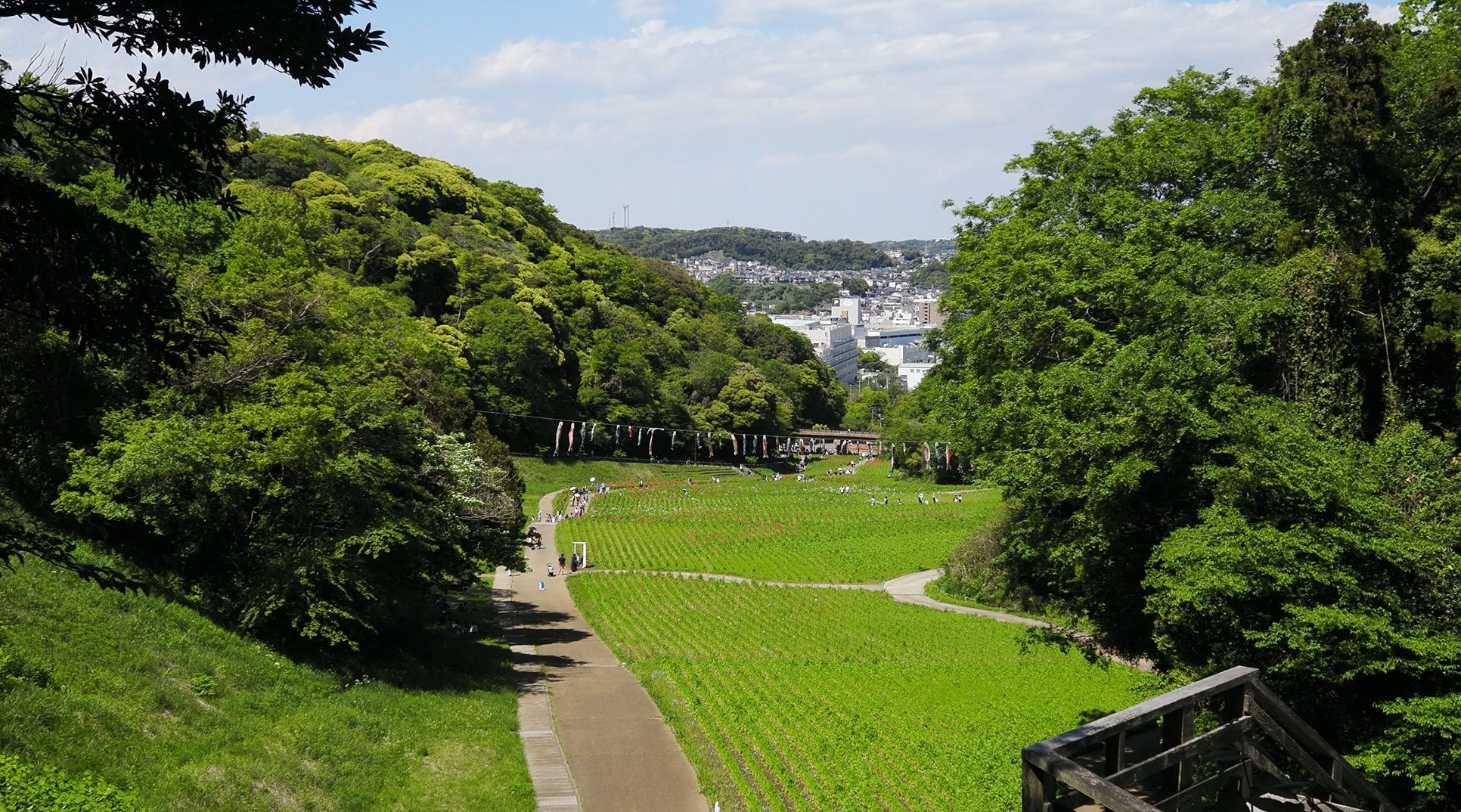
Poppies in bloom at one of many parts of Kurihama Flower Park.

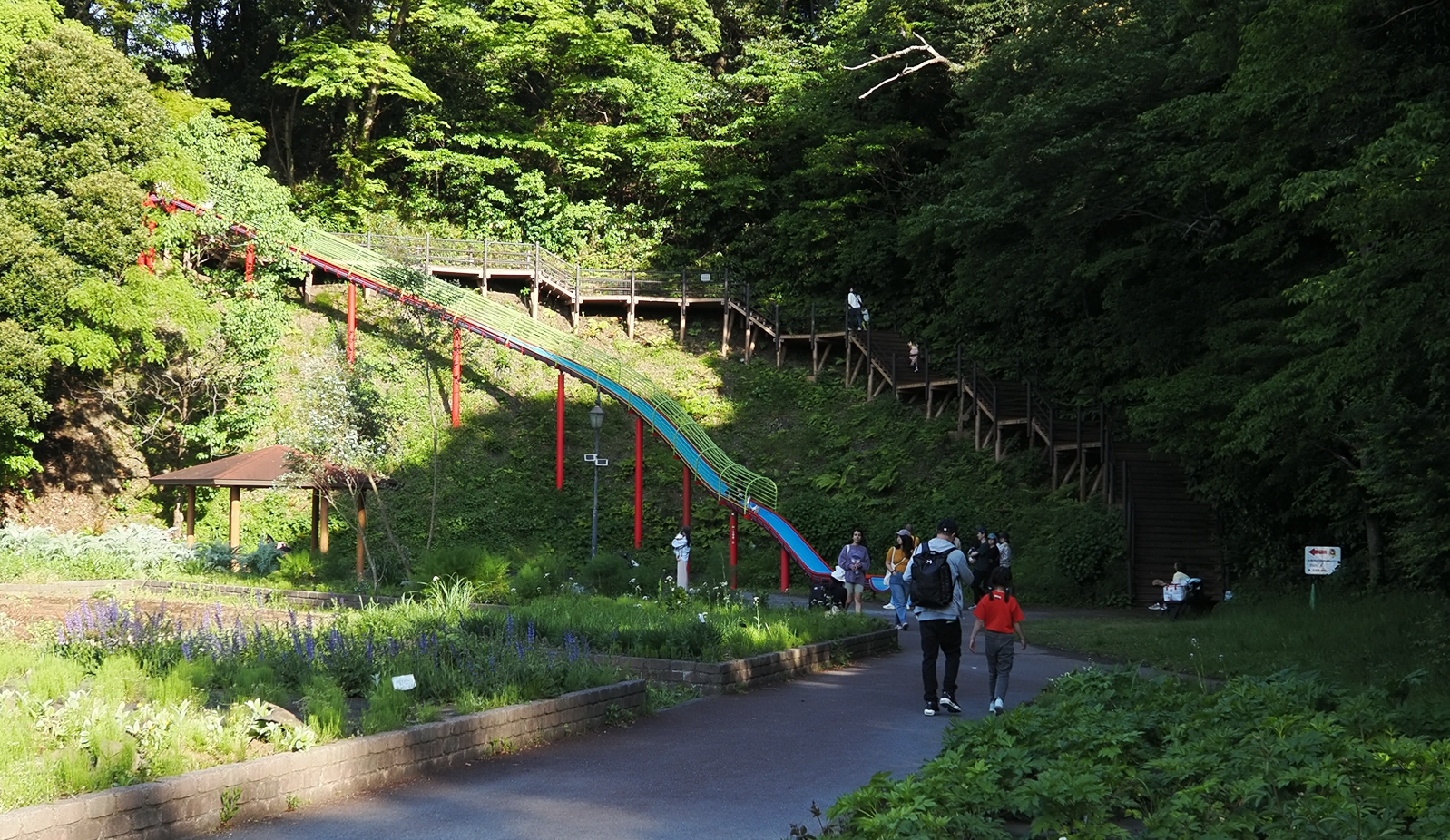
Life sized Godzilla statue that doubles as a slide.
4. Kurihama Flower Park (Day Trip)
If you’re looking for a day trip from Kamakura or even Tokyo, take the train to this underrated family gem, Kurihama Flower Park. From the Kurihama station, it’s a 15 minute walk to this huge park that features seasonal flowers throughout the year (there were poppies when we visited in April). And if you have kids, they will enjoy the many large playgrounds at the park, including a life-size Godzilla statue that functions as a children's slide.If you have a Godzilla fan in the family (or just a kid who likes slides), this is mandatory.
5. Shopping at Komachi-dori Street
Just east of the Kamakura train station, you’ll walk out onto Komachi-dori Street. It’s a walkable main commercial shopping street of Kamakura, full of cafes, restaurants, and shops. We visited here many times on our way to and from the train station.
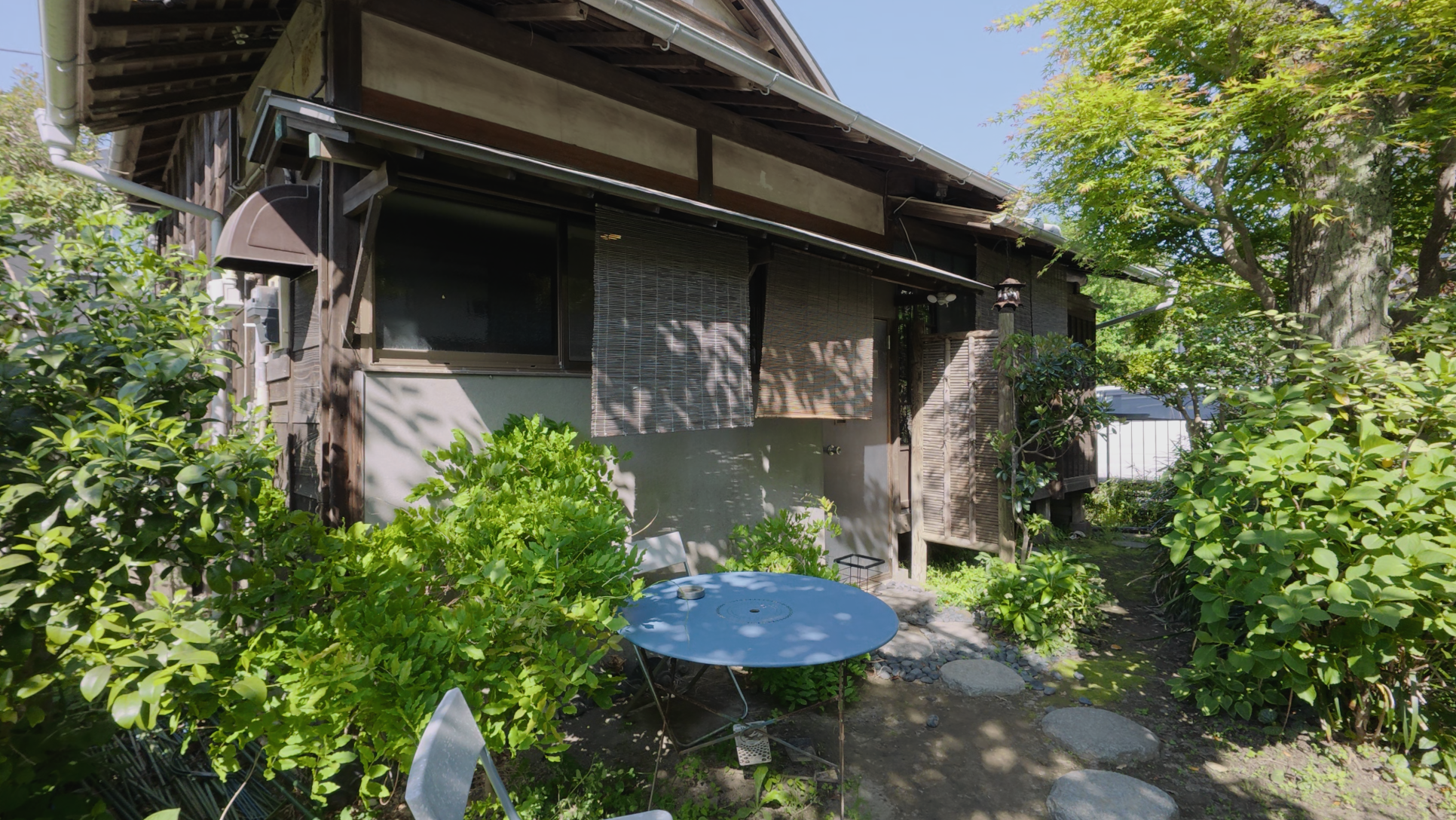
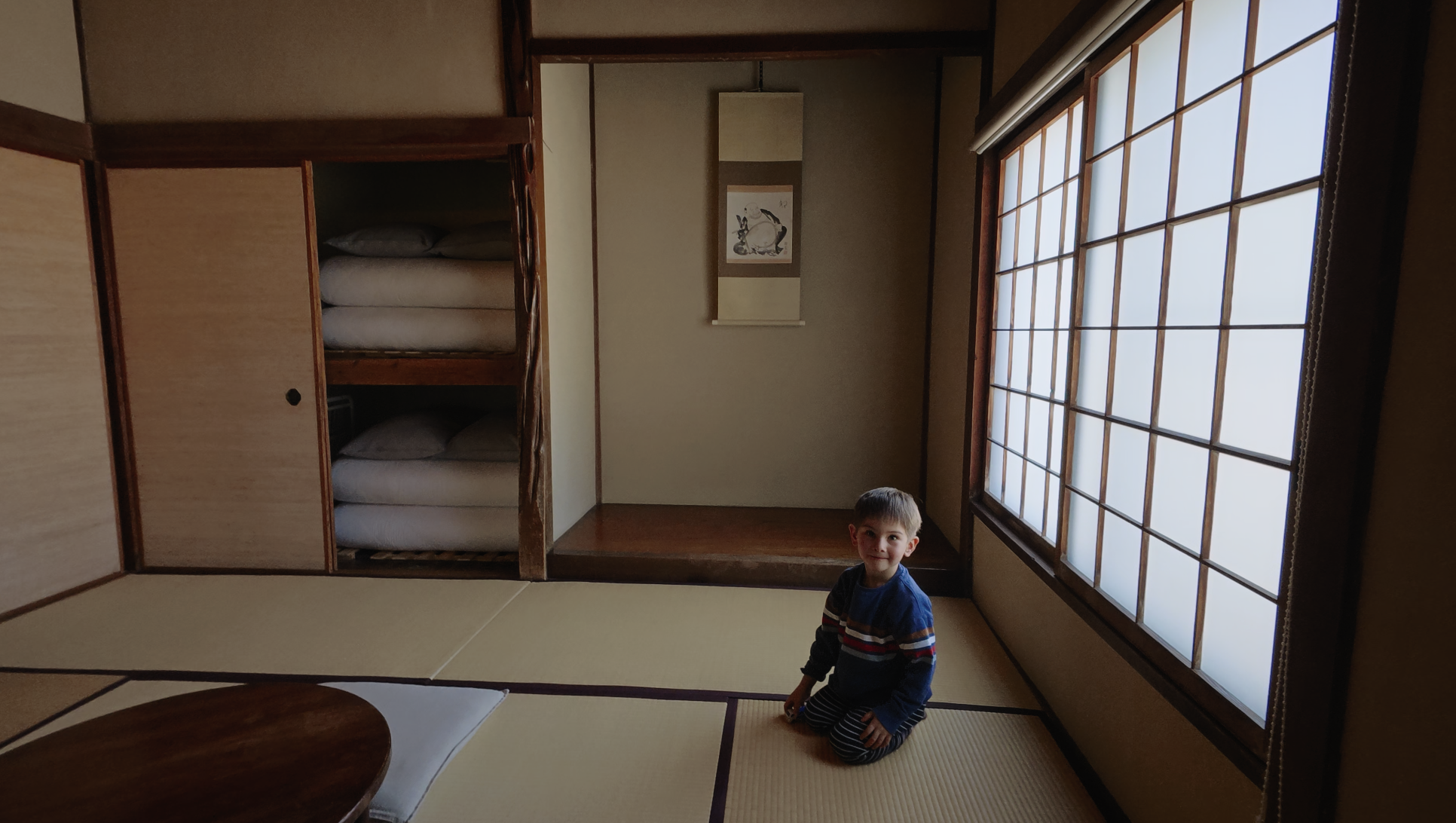
Our Airbnb guest house in Kamakura.
Where to Stay in Kamakura
Splurge:
Ryokan-style accommodation near the beach for a traditional Japanese experience
Mid-range:
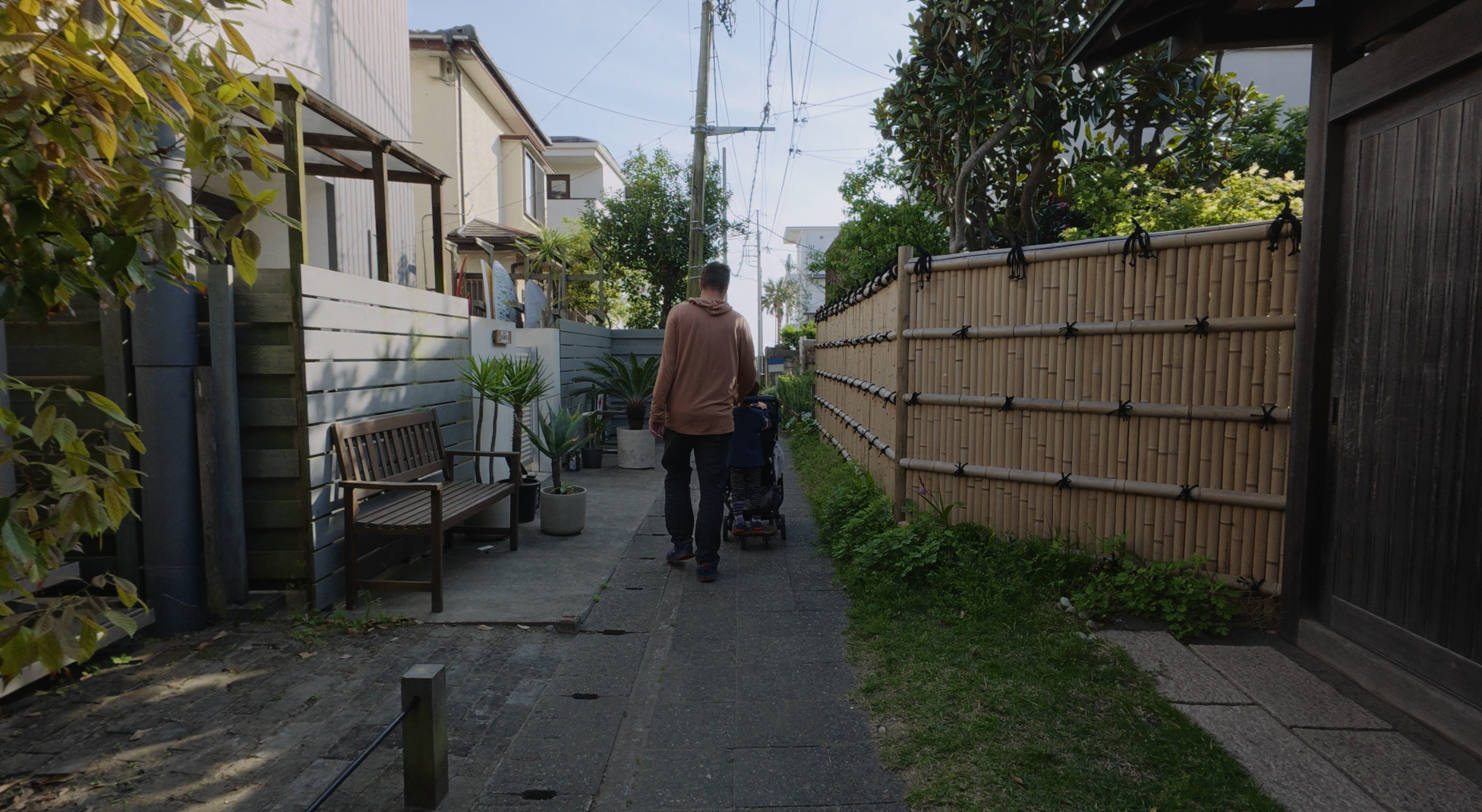
Airbnb apartments near the shore — we stayed in a spacious traditionally designed home that was a welcome change from our compact Tokyo apartment. For families, the extra room is worth it.
Budget:
Guesthouses near Kamakura Station offer good value and a social atmosphere
Pro tip: Stay within walking distance of the beach if you can. The morning access alone is worth it.
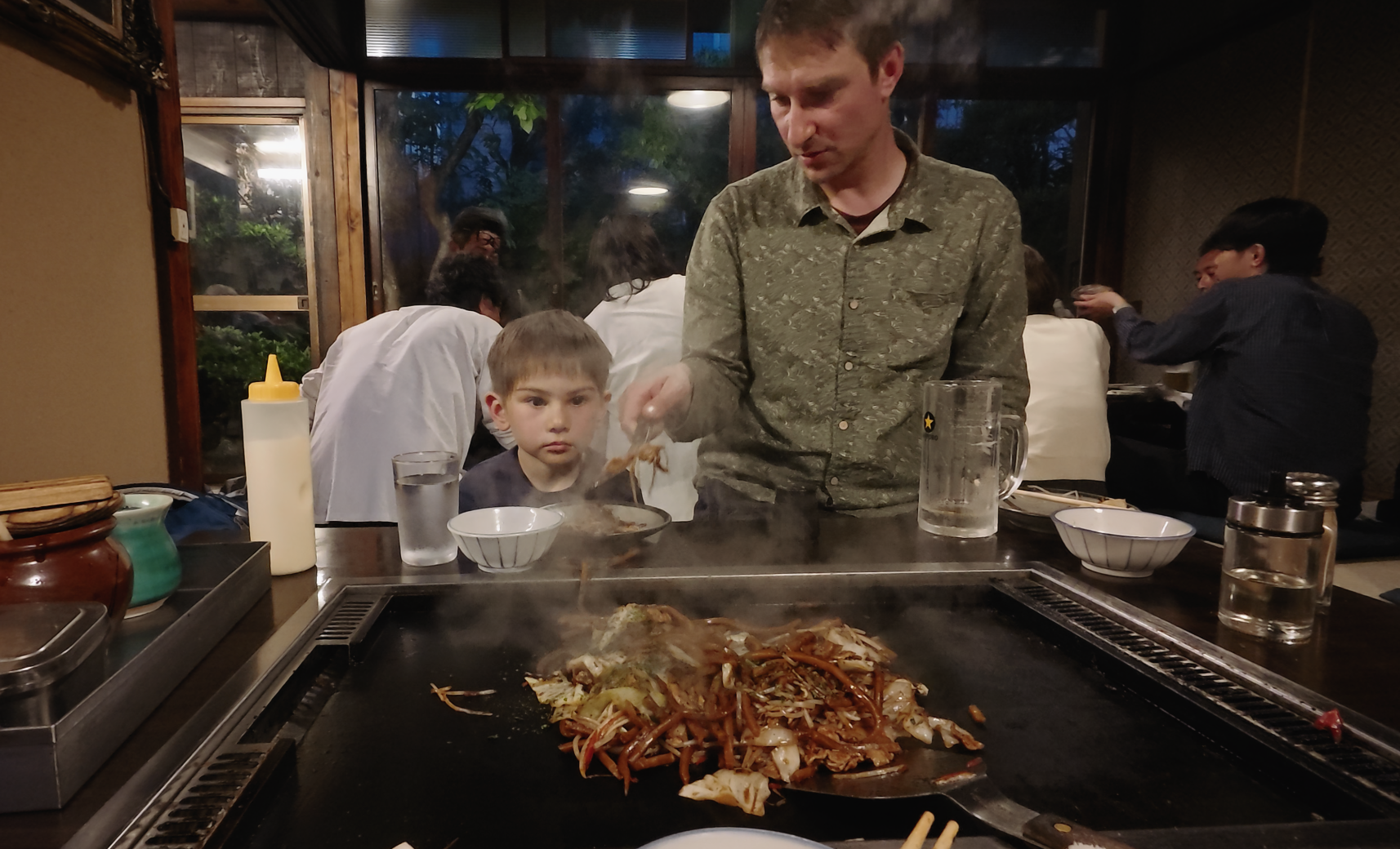
Enjoying teppanyaki at a restaurant in Kamakura.
Food & Dining in Kamakura
Kamakura's food scene is relaxed, local, and genuinely excellent. Here's what we'd point you toward:
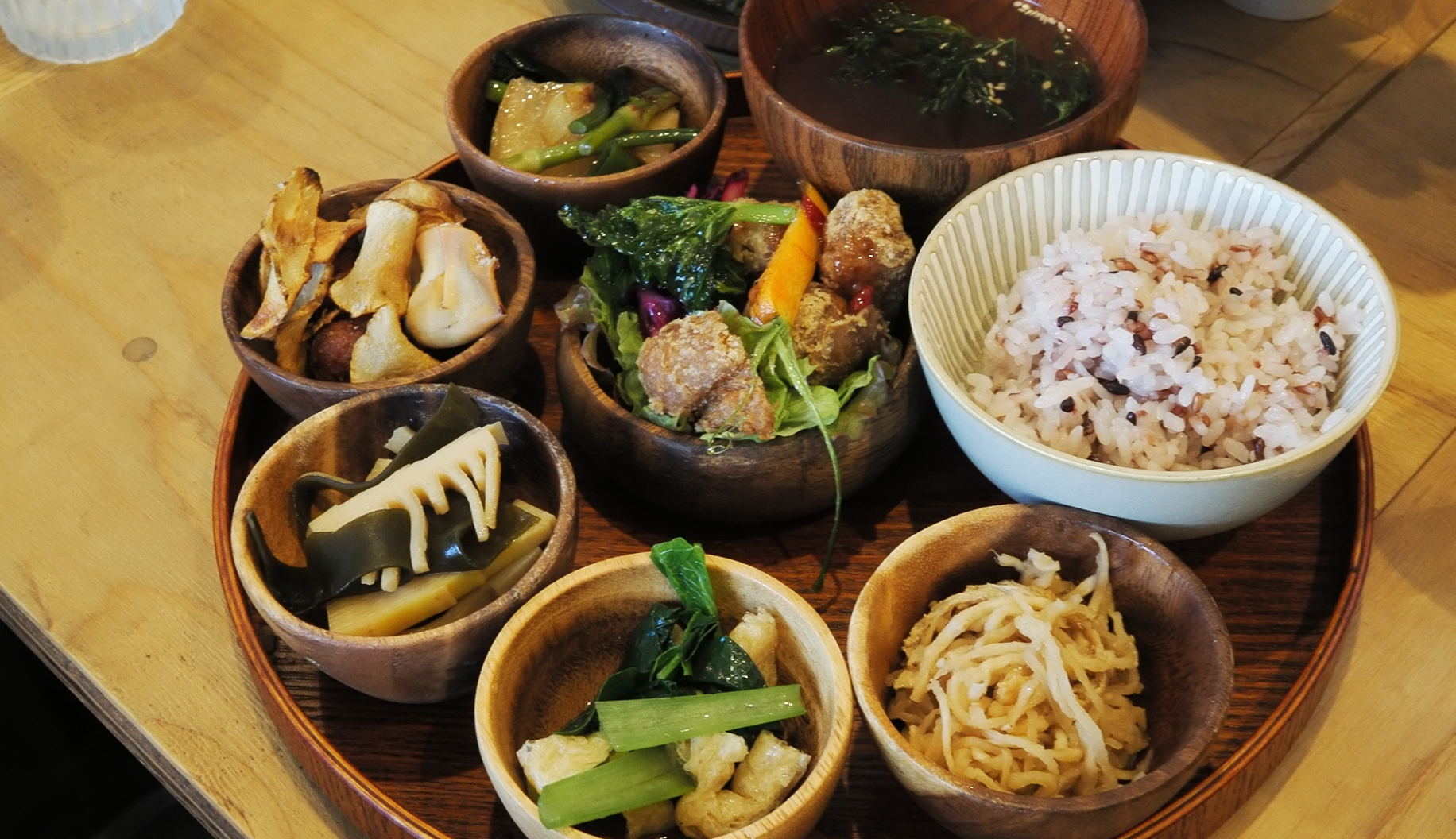
Yuka Gohan — A lunch spot doing Thai-Japanese fusion with a focus on fresh vegetable dishes. Feels like a local secret. Perfect for a slow midday meal.
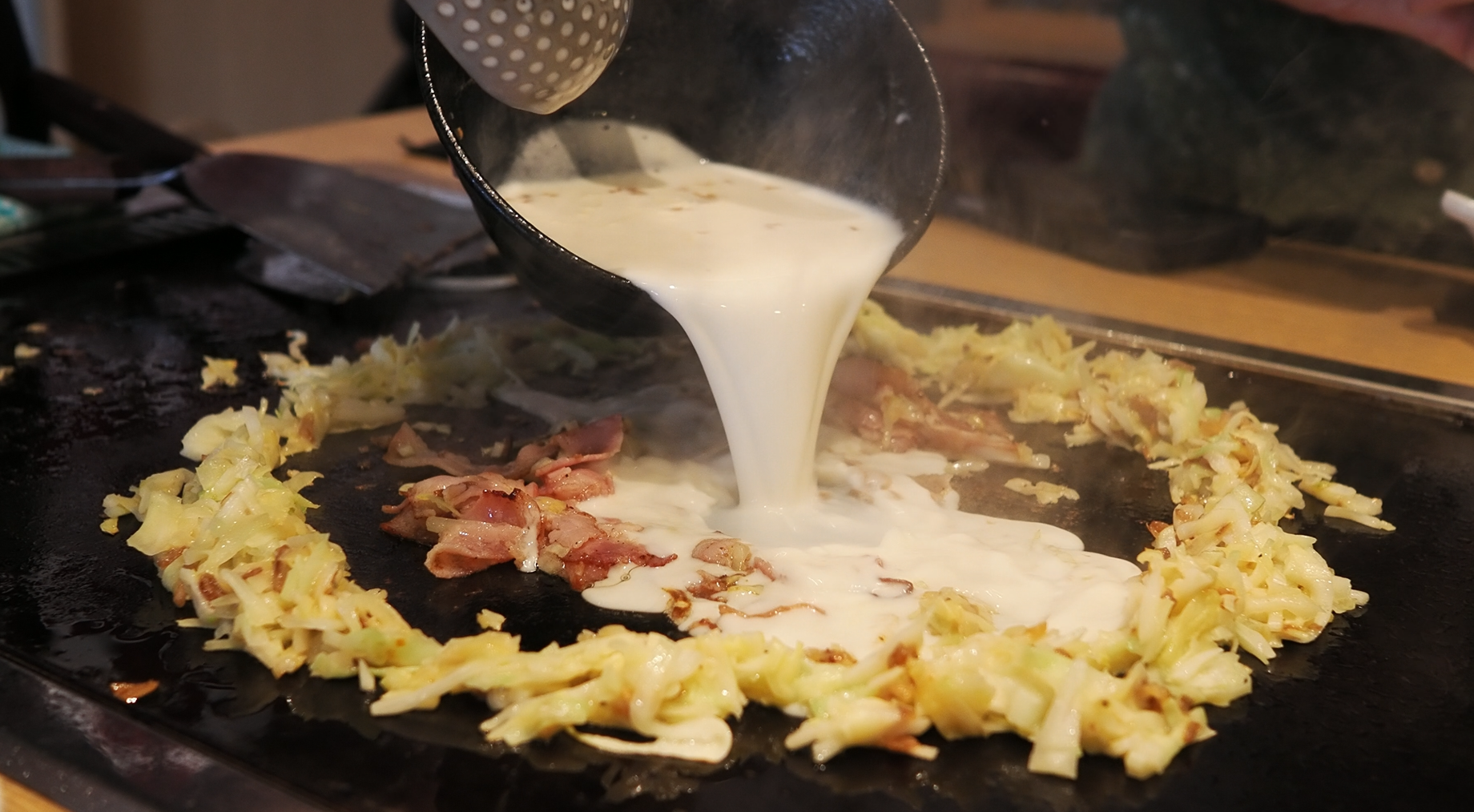
Okonomiyaki — Japanese savory pancakes, cooked in front of you. The preparation is part of the experience, and it's a great one to do with kids.
Teppanyaki — Interactive grilled dinner (we had grilled oysters and vegetables at the iron griddle table). Highly recommend for families — there's always something happening to hold little ones' attention.
Convenience stores: Don't underestimate them. For baby snacks, formula, or a quick breakfast before the temples open, 7-Eleven and Lawson are genuinely good.
Vegetarian/dietary notes: Kamakura has a reputation as one of Japan's more vegetarian-friendly towns — you'll find more plant-based options here than in many other parts of the country.
Suggested Itineraries
How Long Should You Stay?
Most tourists visit Kamakura as a day trip from Tokyo. We'd push back on that. Two to three nights lets you see the temples without rushing, catch the beach at different times of day, and take the day trip out to Kurihama. It also just feels different when you wake up there in the morning.
Day Trip from Tokyo
Morning train from Tokyo
Hase-dera Temple → Great Buddha at Kotoku-in
Lunch near Hase
Beach walk in the afternoon
Evening train back
Overnight Stay
Afternoon arrival, check in and settle
Sunset beach walk
Dinner at a teppanyaki restaurant
Morning temple visit before crowds arrive
Explore Enoden coastal stops before departing
2–3 Day Family Stay (our recommendation)
Day 1: Arrive, explore the neighborhood, beach walk, spot Mount Fuji if you're lucky
Day 2: Great Buddha + Hase-dera Temple, okonomiyaki lunch, Enoden line exploration
Day 3: Day trip to Kurihama Flower Park for the playgrounds and the Godzilla slide, return to Kamakura for a final dinner
Family & Baby Travel Tips for Kamakura
Stroller-friendly: The main sightseeing areas around Hase are walkable with a stroller, though some temple paths have steps — carriers are useful as a backup
Baby supplies: Stock up at a convenience store or drugstore in Tokyo before arriving — selection is better there
Translation app: Use an app like Payke to scan barcodes on Japanese baby food and formula — it reads ingredients and product info instantly
Timing: Visit temples early morning or late afternoon to avoid midday crowds, especially with small children
Suica/Pasmo: Set up your IC card top-up on your phone before leaving Tokyo so you're never hunting for a ticket machine
FAQs
Q: Is Kamakura worth more than a day trip? Absolutely. Most visitors only scratch the surface. Staying two or three nights lets you slow down, eat well, and actually feel like you're somewhere rather than just ticking a box.
Q: Is Kamakura easy to navigate with a stroller? Mostly yes, especially around the beach and main streets. Some temple paths have stairs — bring a carrier as backup for those sections.
Q: Is it far from Tokyo? About 55–60 minutes by direct train from Tokyo Station. Very manageable, even with kids and luggage.
Q: What's the difference between Kamakura and Kyoto? Both are historic cities with temples and cultural sites, but Kamakura has a beach, a smaller footprint, and significantly fewer crowds. It's a more relaxed experience, especially for families.
Q: Can you see Mount Fuji from Kamakura? On a clear morning, yes — from the shoreline, Mount Fuji is visible behind the hills. It's not guaranteed, but it's spectacular when it happens.
Final Thoughts
Kamakura is one of those places that looks like a supporting character in a Japan itinerary but turns out to be a lead. It has the cultural weight of a historic city, the energy of a beach town, and enough kid-specific magic (cave temples, Godzilla slides, teppanyaki dinners) to make family travel feel genuinely easy and fun.
Go. Stay longer than you planned. You can thank us later.
Have you been to Kamakura, or are you planning a trip? Drop your questions in the comments — we love hearing from families planning their Japan adventures!
📌 Bonus: If you found this helpful, save this guide for later! Watch our full Kamakura family vlog to see everything in action.