
2 Weeks in Belize: The Complete Travel Guide
Of all the Central American countries, Belize holds a truly special place. It's a biodiverse hidden gem bordered by Mexico and Guatemala — a country that somehow packs pristine Caribbean beaches, the world's second-largest barrier reef system, ancient Mayan ruins, and lush jungle adventures all into one relatively small footprint.
What makes Belize stand out even further? English is the official language, so communication is rarely a barrier. Add in a warm, welcoming melting pot of cultures and you have a destination that feels both adventurous and accessible. We first visited in 2012 on a working trip, helping revitalize a local tour operator with new photos, videos, and a website. It was so special that we came back again the following year — and have been helping travelers plan their own Belize trips ever since.
This guide covers everything you need to know: essential logistics, how to get around, the best coastal destinations, and the inland adventures that most visitors don't want to miss. We recommend building this into a 7–10 day trip at minimum, or 14+ days if you want to explore it fully. Our itinerary splits the time roughly in half: one week on the islands, one week in the mountains.

One of the top experiences in Belize is climbing to the top of Xunantunich Mayan ruins in San Ignacio.
Essential Belize Travel Logistics
Entry Requirements & Language
You'll need a valid passport with at least 6 months of remaining validity. Check whether your nationality requires a visa before you go. Once you're there, you'll be pleased to find that English is the official language — making Belize one of the most approachable destinations in all of Central America.
The local currency is the Belizean Dollar (BZD), which runs at a fixed rate of $2 BZD = $1 USD. US dollars are widely accepted across the country, so you generally don't need to exchange currency before arrival.
What to Pack & Health Tips
Lightweight, breathable clothing — the heat and humidity are real
Strong sun protection (SPF 50+ and a hat are non-negotiable)
Mosquito repellent, especially for jungle and inland areas
Drink bottled water throughout your trip
Best Time to Visit
Dry Season (Peak) — Late November to April: Temperatures sit comfortably between 75–85°F. This is the best window for outdoor activities, reef diving, and exploring ruins. Expect more crowds and higher prices.
Shoulder Seasons — May–June and September–October: Fewer crowds and noticeably lower prices. Some rainfall to expect, but often just brief afternoon showers that clear quickly.
For a standard trip, plan 7–10 days. If you want to experience the islands, mainland beaches, AND the Cayo District properly, give yourself 14+ days.
Getting There & Getting Around
Most international travelers fly into Philip S.W. Goldson International Airport (BZE) near Belize City. You can also enter overland from Mexico or Guatemala if you're coming from either direction — it's a well-traveled border crossing. A note on Belize City: locals and experienced travelers alike recommend treating it primarily as a transit hub. It has a higher crime rate than the rest of the country, so plan to move on to your first destination fairly quickly after arriving.
Domestic Transport Options
By Air: Tropic Air and Maya Island Air connect major towns quickly. It's the most expensive option but cuts travel time significantly — especially useful for reaching Placencia or the Cayo District.
By Land: Public buses are the most affordable way to get between mainland towns. Taxis and private drivers are a middle-ground option — more comfortable and flexible, and most tour operators include transport in their packages. Rental cars offer the most freedom if you're comfortable driving on rural roads.
By Sea: Water taxis are the standard way to reach the coastal islands. From the Belize City Water Taxi Terminal, boats run regularly to Caye Caulker and Ambergris Caye.
Our 2-Week Belize Travel Guide
Our Belize travel guide itinerary has you spending one week on the beach, and one week in the mountains. Start off on the Caribbean islands of Belize before heading inland to a small fishing town. From there, you'll head into the mountains near the Guatemala border to explore Mayan ruins and caves (if you dare). Note that we recommend making this a two-week trip, but the timeline and exact route can be adjusted depending on what areas interest you. Check out the itinerary on the map below! Can't see the map? Click here.
Week One: The Islands of Belize
After arriving into Belize City, head straight to the Water Taxi Terminal and get yourself out to the islands. This is where most visitors fall in love with the country — and for good reason. Before we dive into specifics, let’s start with general tips that will apply to most of the islands: what to eat, and what to do.
What to Eat in Belize
Belizean food is a direct reflection of the country’s cultural mix — Creole, Garifuna, Maya, Mestizo, and Caribbean influences all show up on the plate. The good news: eating well in Belize is easy and affordable. The coastal and inland food scenes are genuinely different from each other, and leaning into that contrast is part of the experience. Below are some dishes you should try in Belize; the latter sections will include specific places to try them based on the region of Belize that you’re in.
The food staples you’ll find everywhere: Rice and beans is the backbone of Belizean cooking — slow-cooked in coconut milk and served alongside stew chicken, it’s the national comfort food. Start your mornings with fry jacks: pillowy fried dough eaten with eggs, cheese, or jam that you’ll find at almost every local breakfast spot in the country. And wherever you eat, ask for Marie Sharp’s hot sauce. Made in Belize from habanero peppers, it’s on every table and genuinely excellent — pick up a bottle to take home.
On the coast: Seafood is the star. Freshly caught lobster, grilled fish, ceviche (conch and shrimp), and fried conch fritters dominate menus on the islands and in beach towns like Placencia. If you’re visiting between June and February, lobster season means it’s abundant and affordable — order it grilled, not fried, and you’ll rarely be disappointed.
Inland: The Garifuna influence comes through strongest here. Don’t leave without trying hudut — a rich, slow-cooked fish stew made with coconut milk and served with mashed plantain (called fu-fu). It’s deeply savory and unlike anything you’ll find elsewhere. In San Ignacio, look for local market stalls and family-run restaurants serving Mayan-influenced dishes.
To drink: Order a Belikin. It’s the local beer, brewed in Belize, and it’s everywhere — cold, light, and perfect for the heat. At the end of a long day on the reef or a muddy cave hike, nothing tastes better.
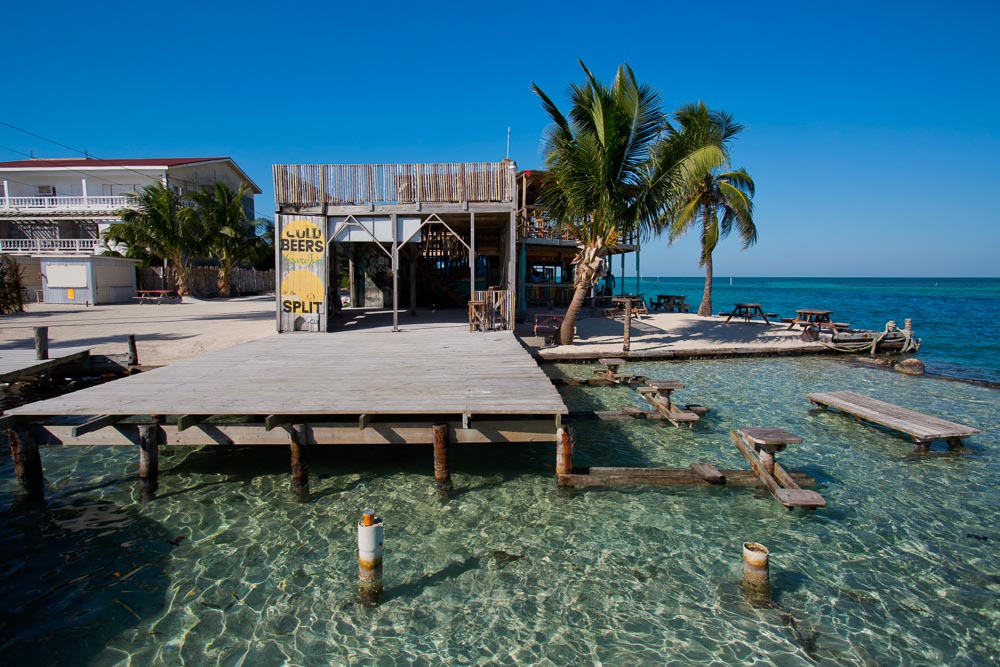
The Split at Caye Caulker.
Caye Caulker
The water taxi's first stop is Caye Caulker, a small limestone coral island that lives by its motto: "Go Slow." When we say small, we mean it — the island is only 5 miles long from north to south. There are no motor vehicles; you get around by bicycle, golf cart, or on foot. Give it 30 minutes by golf cart and you've circled the whole thing. The vibe here is budget-friendly and deeply relaxed, attracting a mix of backpackers, digital nomads, and travelers who just want to unwind. It's a notch more laid-back than its bigger neighbor Ambergris Caye, and significantly more affordable.
Where to Stay on Caye Caulker
Given the small size of the island, most accommodations and attractions are located on a long strip close to the water taxi dock. We stayed at the modest Tropical Paradise Hotel. Just down the block are more options including Caye Caulker Plaza Hotel and Rainbow Hotel. All offer almost immediate proximity to the beach. Seeking a hotel with a pool? Check out Seaside Villas, Caye Reef Condos, or Magic Island Beach Resort. All hotels are a short walk away from dining options including The Lazy Lizard Bar and Grill and Wish Willy. Be sure to order freshly caught grilled lobster!
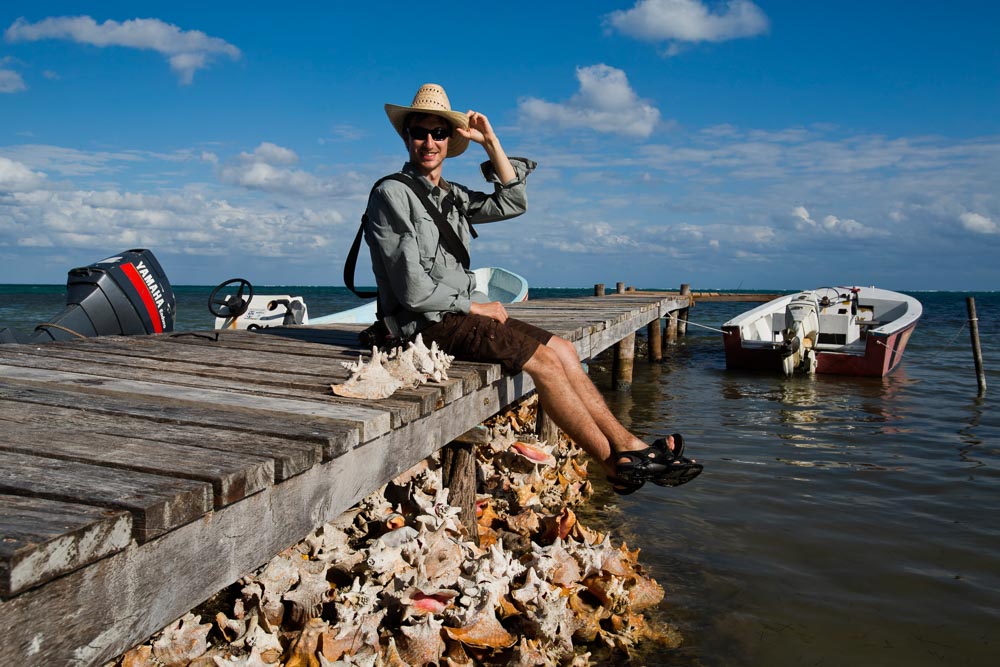
Conch is a popular dish in Belize, especially on the coast. Definitely try it if you see it on the menu!
What to See & Do on Caye Caulker
The famous Great Blue Hole is popular among scuba divers and is just an hour boat ride away. Meanwhile, the Belize Great Barrier Reef (the world's second largest) is even closer. Take a snorkeling or scuba diving tour here. If you're bold, make your way to Hol Chan Marine Reserve and Shark Ray Alley to swim among and hold giant manta rays and nurse sharks. Finally, boat tours to the nearby manatee sanctuary are also very popular. While you can't swim with the manatees here, you can take a guided boat tour to see them in their natural habitats.
The Split: A narrow channel that divides the island, popular for swimming, socializing, and sunset drinks. It's the island's social hub and a must-visit.
Hol Chan Marine Reserve & Shark Ray Alley: If you're bold, this is where you swim among and actually hold giant manta rays and nurse sharks. Genuinely one of those bucket-list experiences.
The Belize Barrier Reef: The world's second-largest reef system is right on your doorstep. Book a snorkeling or scuba diving tour to explore it properly.
The Great Blue Hole: About an hour by boat, this iconic dive site is a pilgrimage for serious scuba divers.
Manatee Sanctuary Tours: Guided boat tours to see manatees in their natural habitat — you can't swim with them here, but seeing them up close in the wild is special.
Where to Eat on Caye Caulker
In the above section, we highlighted specific Belizean dishes to try. Here are places on Caye Caulker to order them.
Jenny’s Grab and Go is a great place to try fry jacks on Caye Caulker.
Shado Beni Caribbean Tapas Lounge: Famous for curry goat (especially with extra habanero sauce), live music, and a vibrant atmosphere.
Maggie’s Sunset Kitchen: Known for stewed chicken, baked chicken, and traditional Belizean meals with sunset views.
Reina’s or The Happy Lobster is a great place to try local lobster.
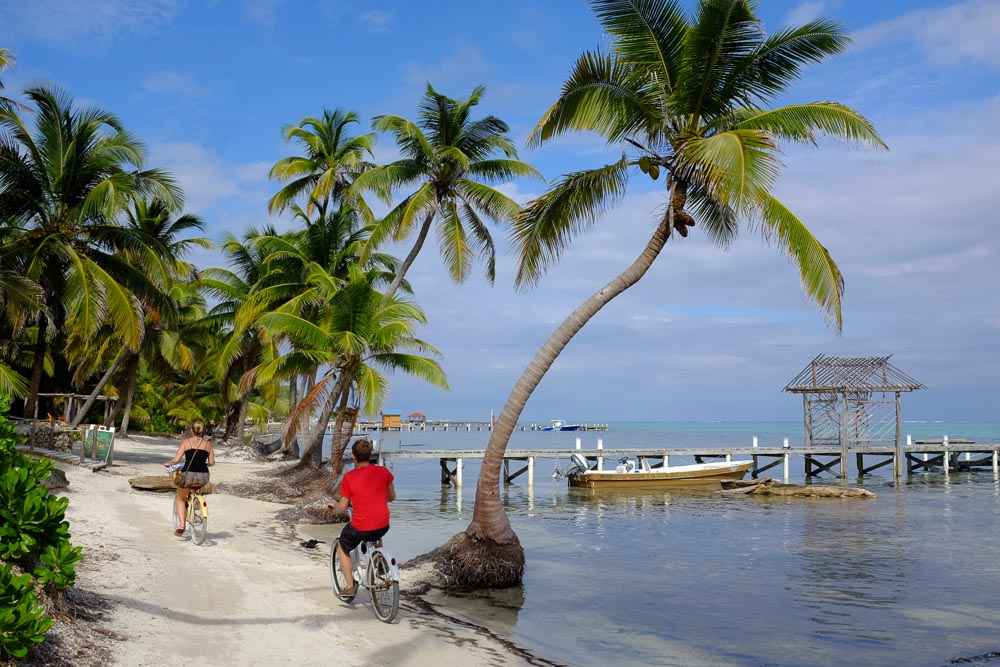
Ambergris Caye (San Pedro)
Belize's largest island is a step up in energy from Caye Caulker — still beautifully laid-back, but with more restaurants, nightlife, and resort options. Golf carts and bicycles remain the primary transport, and you won't find the towering hotel blocks or tour buses of bigger Caribbean destinations. Think relaxed, not sleepy.
Where to Stay on Ambergris Caye
There aren't many budget accommodations beyond Pedro's Inn Backpacker Hostel and Sandbar Beachfront Hostel. Instead, you'll find many mid-range and above hotels and resorts such as Xanadu Island Resort, Captain Morgan's Retreat, and The Palapa House. Most accommodations are within walking distance of restaurants and attractions. You can always rent a golf cart to get around or hitch a ride in a mini-van taxi.
What to See & Do on Ambergris Caye
Most of the same ocean activities from Caye Caulker apply here — the Belize Barrier Reef, Hol Chan Marine Reserve, Shark Ray Alley, and trips out to the Great Blue Hole are all equally accessible. Ambergris also works well as a base for a day trip to San Ignacio on the mainland to get a taste of the mountains and ruins before committing a full week inland.
Where to Eat on Ambergris Caye
In the intro, we highlighted specific Belizean dishes to try. Here are places on Ambergris Caye to order them.
Blue Water Grill is a top choice for beachfront dining. It has a stunning sea view and a menu that includes sushi, fresh seafood, and nightly dinner specials. It’s ideal for romantic dinners or casual nights out.
El Fogon is a local favorite for authentic Belizean cuisine, known for dishes cooked over an open fire hearth, giving them a rich, smoky flavor.
Estel’s Dine by the Sea offers tables in the sand for an iconic dining experience. Great for breakfast, lunch, or dinner, with a focus on fresh seafood and Belizean dishes.
Rain Rooftop Restaurant is a fantastic option for early dinners with an immaculate view of the reef and lagoon.
Caramba is a reliable spot for a mix of Belizean, Mexican, and Caribbean fare with a buffet-style setup. It’s popular with both locals and visitors.

Snorkeling with sting rays at the Great Barrier Reef.
Week 2: Head Back to Mainland Belize
After you get your fill of island life, take the water taxi back to Belize City, or take a plane if you have extra budget and want to get inland faster. From Belize City, you have three options for getting around on mainland Belize. All vary in terms of duration and cost.
Use the local Belize airline Tropic Air to fly into most major towns. This is the quickest, yet most expensive way to get around.
Hire a taxi or private driver. It is cheaper than flying, yet not as a fast.
Take the local public bus. This is the cheapest option, but it will take the longest.
Visit Placencia, a Mainland Belize Beach Town
There are several beach towns that you can access on mainland Belize. While there are some beach hotel options in and around Belize City, your best bet is to go a bit further to seek the very best beaches. Be forewarned that the distance truly is rather far.
Drive three hours (about 180 miles) south of Belize City and you'll find arguably the best beaches in the country. The Placencia Peninsula stretches 17 miles long and is home to a small fishing village surrounded by white sand beaches and calm Caribbean waters. It's quieter and more local-feeling than the islands.
Where to Stay in Placencia
The village is small and full of restaurants and hotels, many within walking distance. Turtle Inn is one of the high end resorts. Mid-range options include Sailfish Resort, Palma's Guesthouse, Paradise Resort, and our personal favorite, One World Rentals. All accommodations are within a short walking distance of the beach, if not directly on the beach.
Where to Eat in Placencia
Restaurants serving freshly caught seafood are abundant. Be sure to dine at visitor favorites including Rumfish, De Tatch, Tipsy Tuna, Barefoot Beach Bar, and Omar's. Save room for dessert and grab a tasty gelato at Tutti Frutti Gelateria.

Silk Cayes Marine Reserve, a worthwhile day trip from Placencia.

Sunset on the water in Placencia.
What to See and Do in Placencia
Beachside relaxation is the name of the game in Placencia. There's also a range of water activities including fishing and sailing, day trips to the Great Blue Hole, and swimming with whale sharks if you visit in May. During our stay, we took a day trip out to Gladden Spit and the Silk Cayes Marine Reserve. It was a 45-minute boat ride (one-way), but the trip was worth it since the destination was a pristine island in the middle of the sea. This tiny island was straight out of a postcard and offered the very best reef snorkeling we've ever done. The ocean wildlife was abundant, and we saw more tropical fish, moray eels, barracudas, and turtles than we've ever seen. We could only imagine what a scuba diving trip would look like.
Explore Mountains and Mayan Ruins in San Ignacio
When you're ready to dive into the mountains, head inland toward the Guatemala border. San Ignacio is a mountainous town located in the Cayo District of Belize. It's a 90-minute direct drive from Belize City, and just 10-minutes away from the Guatemala border. The town is pretty far from the beach and is surrounded by mountains and jungle. So if you venture in this far, expect to trade beaches for lakes, rivers, and waterfalls instead.
Where to Stay in San Ignacio
Unlike the islands and beach towns on Belize, San Ignacio is pretty spread out. You'll want to secure either a rental car or private driver to get around, or budget time to take the bus. Note that if you book a day trip tour, most tour operators will include transportation (but be sure to ask!). Downtown San Ignacio is a good base as it's walkable and has everything from banks, markets, restaurants, and hotels. If you stay downtown, check out the San Ignacio Resort Hotel, Windy Hill Resort, or Midas Belize.
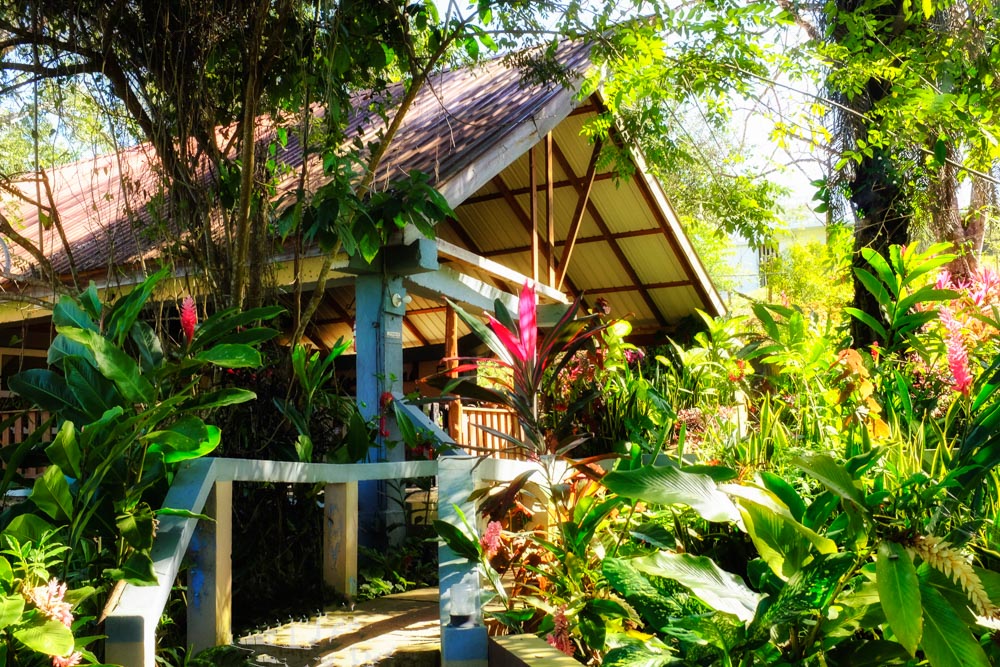
If you're feeling adventurous or looking for a new experience, consider staying in an eco-lodge. These nature-based accommodations are increasing in popularity, and there are quite a few to choose from. Some options include The Lodge at Chaa Creek, Table Rock Jungle Lodge, and Martz Farm Treehouse Cabanas. If you opt for an eco-lodge, note that most of them are at least a 10-minute drive from town.
What to See and Do in San Ignacio
Cave Exploration
There are two main reasons why tourists venture to San Ignacio: mountains and Mayan ruins. Mountain Pine Ridge is a forest reserve with hiking trails and lots of caves. Even if you're not an avid outdoors enthusiast, many tours can help you experience the caves of Belize in a variety of ways. The most gentle way is light hiking into Río Frío Cave, followed by swimming at nearby water holes and a stop at a waterfall. You can also opt for leisurely tubing at Barton Creek Cave. To up the intensity, spend half a day on a guided tour of Actun Tunichil Muknal (ATM Cave). Finally, go on the most exhilarating tour of all by rappelling into the Crystal Cave and Black Hole Drop.
Of these tours, we opted for ATM Cave and admit that there were times when we were literally in over our heads. Even for the moderately fit person, ATM Cave is a big physical challenge that involves being in complete darkness (with headlamps) and submerging in water over your head. It's an intense yet very rewarding experience. Just make sure you select a knowledgeable guide that you trust. Our tour was with MayaWalk Tours, and we highly recommend them.
Maya Ruins Tours
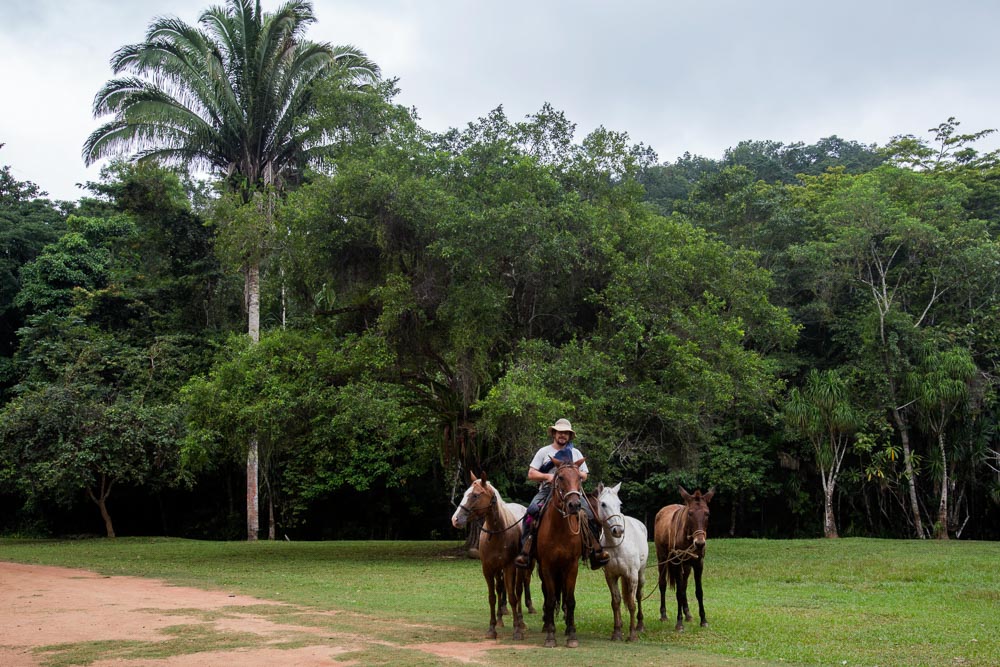
Most of the Maya ruins in Belize are located near or within San Ignacio, making it a great hub for archaeology lovers. The most popular ruins are Xunantunich, Caracol, El Pilar, and Cahal Pech. All of these ruins can be accessed by car, and some even by horseback. Some are accessible by bus, but we recommend securing a private driver or guided tour for some such as Caracol. Tikal Mayan ruins in nearby Guatemala is also possible to visit as a day or overnight trip. In many cases, the Maya ruins in Belize are under constant study, so there are occasional sections that are closed or new discoveries made. Be sure to check with your hotel or host for any local updates.
Up Close with Belizean Wildlife
If you're seeking wild animal encounters, there's no better place to do so than San Ignacio. With its proximity to the jungle and general ruggedness, wildlife is abundant in this part of Belize. In some cases, you can just sit at your hotel or eco-lodge with a pair of binoculars and see and hear more tropical birds than you can name. Tropical birds such as toucans are common, as are larger animals including iguanas and howler monkeys.
For organized animal encounters, swing by the Green Iguana Conservation Project within the San Ignacio Resort Hotel to get up close and personal with these prehistoric reptiles. Tropical Wings Butterfly Farm also lets you into an enclosure with tons of local butterfly species. Finally, the Belize Zoo is also worth mentioning. Despite being located outside of San Ignacio, it's a great stop while en route to Belize City as it showcases many animals native to Belize.

Spotting a toucan in the wild in San Ignacio.
In Conclusion
Belize is a very special place in Central America that is still largely under the radar. If you're seeking adventure in a place that's not yet overrun with tourism, we highly recommend a visit. For more visuals, check out our Belize travel guide on Belize travel guide on YouTube or our raw travel vlogs that document our travels to the region. If you enjoyed this Belize travel guide and think someone else might benefit from it, please share with your friends.